Congestive heart failure in dogs: signs, monitoring, and staying ahead between vet visits
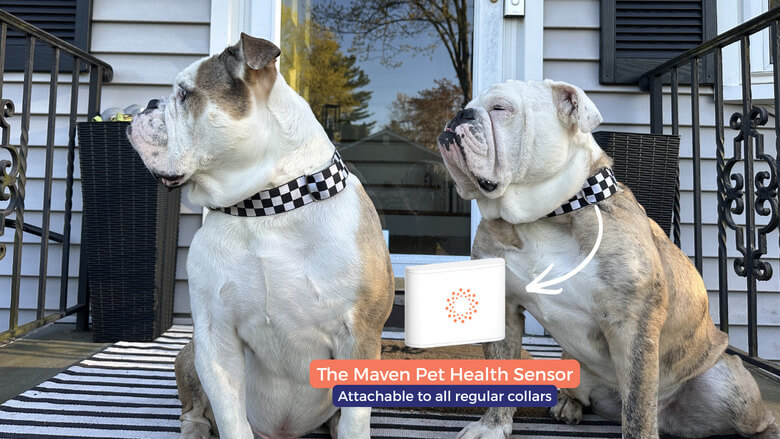
CHF occurs when the heart cannot pump blood efficiently and fluid accumulates in or around the lungs. The earliest reliable warning sign is a rising resting respiratory rate above 30 breaths per minute. Maven Pet tracks that rate every night through the collar so you and your vet catch changes days before a crisis develops.
In congestive heart failure in dogs, one number matters most.
If your dog has been diagnosed with congestive heart failure, your vet has probably already asked you to count breaths at rest. Here's what our research shows about the resting breathing signal in congestive heart failure in dogs, and why the practice matters.
What congestive heart failure in dogs actually means
Congestive heart failure happens when the heart can no longer pump blood efficiently, and fluid begins to accumulate, usually in or around the lungs (left-sided CHF) or in the abdomen (right-sided CHF). The most common cause in dogs is mitral valve disease (MVD), where the valve gradually leaks and forces the heart to work harder over time. Dilated cardiomyopathy (DCM) is another frequent cause, particularly in larger breeds.
CHF is serious, but it is manageable. Dogs on appropriate cardiac medication, including pimobendan (Vetmedin) and furosemide, often maintain a good quality of life for months or years. The difference between a well-managed dog and one ending up in emergency care usually comes down to how closely the condition is being monitored between clinic visits.
Your dog may look completely fine. This is the stage where daily monitoring makes the biggest impact, because changes are subtle and easy to miss without data.
Fluid is beginning to accumulate near the lungs. You may notice a mild cough, faster breathing at rest, or less energy on walks. Resting respiratory rate is the clearest signal to watch at this stage.
Significant fluid has accumulated. The dog is working hard to breathe. This is a medical emergency. The goal of home monitoring is to catch the trend before reaching this point, so your vet can adjust medication rather than respond to a crisis.
Furosemide, Vetmedin, and enalapril change what normal looks like for your dog. Maven builds a personalized baseline after 7 days on the collar, making any shift from that baseline immediately visible.
David A. — Verified Trustpilot
What congestive heart failure looks like at home and why the earliest signs are the hardest to catch
The frustrating truth about CHF is that the signs that matter most, the ones that give you time to act, are often invisible to the naked eye. A rising resting respiratory rate typically appears in the data days before coughing, lethargy, or any visible symptom. By the time you can clearly see your dog is struggling, the easy intervention window may have already closed.
Elevated resting respiratory rate
Normal is 15 to 30 breaths per minute at rest. In CHF dogs, a rising RRR is usually the first objective sign that fluid is building near the lungs. It shows up in the data before anything visible. Above 30 bpm consistently, call your vet. Above 40 bpm at rest, contact them the same day.
Nighttime or morning cough
A soft, persistent cough, especially at night or first thing in the morning, often signals fluid around the lungs. If the cough is new or worsening, call your vet the same day. Do not wait for the next scheduled appointment.
Reduced activity and exercise tolerance
A dog who used to walk 30 minutes and now fades after 10 is telling you something. Decline is gradual and easy to rationalize as aging. Maven tracks daily activity automatically so the trend is visible, not just a feeling you can't quite put words to at the vet.
Swollen or distended abdomen
A bloated belly can indicate right-sided CHF, where fluid accumulates in the abdomen. This is a clear visible sign that warrants same-day contact with your vet. Do not wait to see if it resolves on its own.
What your vet asked you to do at home and why it usually stops within a week
The protocol: wait until your dog is fully asleep, approach without waking them, count chest rises for 30 seconds, multiply by two, write it down. Every night. For the rest of your dog's life. Most people stop within a few weeks, not because they stopped caring, but because it genuinely does not fit into real life. Maven is what that protocol was always supposed to be.
Set it up tonight. Your dog is monitored by morning.
The sensor attaches to whatever collar your dog already wears. It is small and light. Most dogs stop noticing it within an hour. No new equipment, no adjustment period.
The first week, Maven collects data to understand what normal looks like for your dog on their current medication. What's stable for a dog on furosemide is different from an unmedicated dog. That context is what makes alerts meaningful, not just noise.
If your dog's resting respiratory rate trends above their personal normal range, you get a notification. Not a panic. A heads-up with enough time to call your vet before the situation becomes urgent.
Download your dog's monthly health report PDF covering breathing rate, heart rate, activity, sleep, and more. Show your cardiologist actual trends instead of "she seemed a bit off last week."
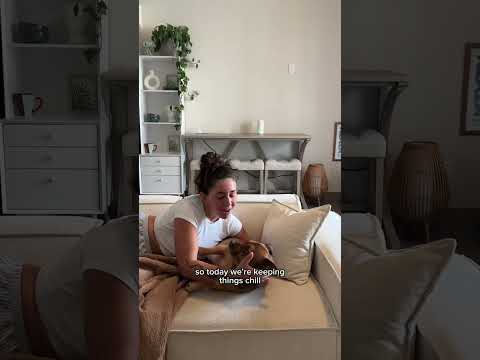
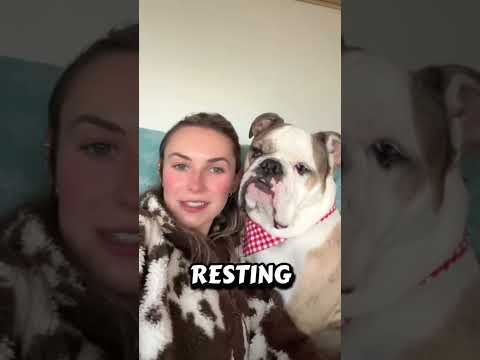

What dog parents with CHF dogs say about Maven
"About a month ago my dog was diagnosed with CHF and a murmur. The vet told me to get a cardio and respiratory tracker that cost almost $400. After doing my own research I found Maven. This tracker is affordable, accurate, and sends alerts when needed so I can take emergency action if needed. I cannot recommend this enough."
"I have been terrified to leave my boy at all since he was diagnosed with congestive heart failure. Knowing I can check his breathing and heart rate to see if they are still stable at any time of the day is a godsend."
"Maven helped me catch a relapse before we even noticed changes in breathing. This allowed her care team to quickly adjust her medications and pull her back out of failure. Without it, we had to take manual counts and felt uneasy leaving for even simple errands."
"This device has been great for helping manage my dog's DCM and CHF. The data is more consistent and trends are easier to get ahead of than anything I could do myself. It's really improved the quality of life for my dog and hopefully added some time for us to share together."
"It let us know she was having spiked respiration rates at night and with a tweak in her meds it now shows she's breathing much better. I have recommended this to so many people."
When 30 breaths per minute is the line, can you trust the number?
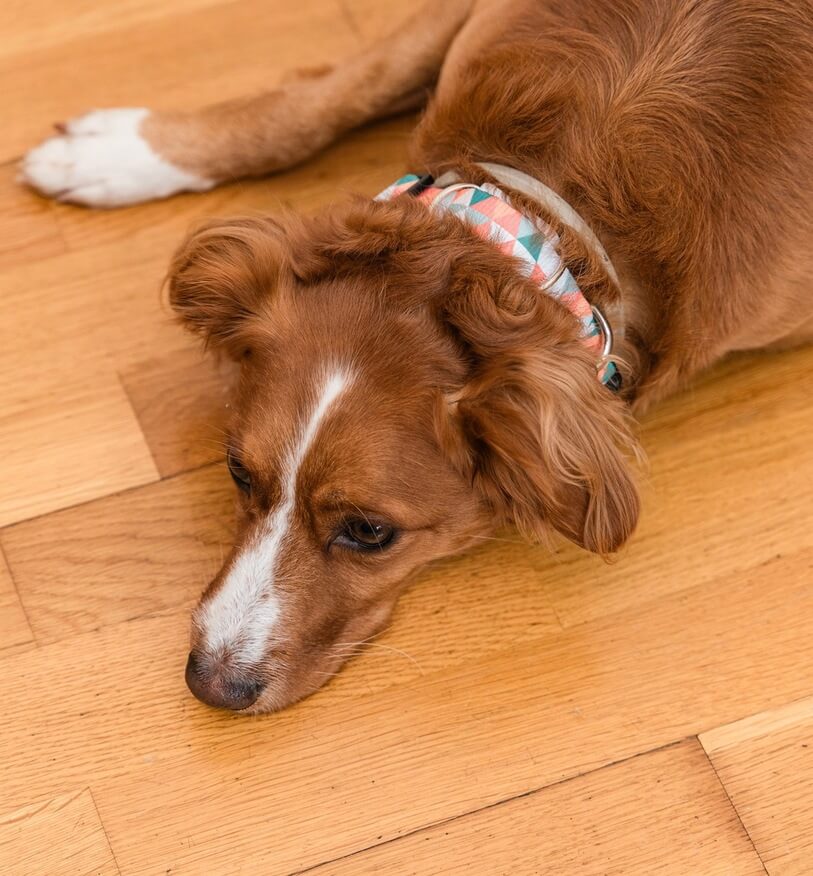
Your vet told you 30 breaths per minute is where you call the clinic. So for a dog with congestive heart failure, the number better be right. A cardiology team at the University of Florida decided to check.
Independent vets counted breaths by hand while the Maven sensor was doing its own count on the same dog. Across 120 side-by-side checks, the sensor and the vet came out the same. Big dogs, small dogs, fluffy, sleek. Same answer.
Everything about managing congestive heart failure in dogs at home
Start monitoring your dog's breathing tonight
Cardiology monitors cost $400 or more. Maven is $13.99 a month with the sensor included. 30-day risk-free return policy.
Plans cover 1 pet. 2 and 3 pet options available at checkout. The sensor fits most standard collars and works for both dogs and cats.
Your vet said to watch their breathing. Now you actually can.
Managing CHF at home means knowing what is happening every night, not just at the clinic. Maven monitors your dog's breathing rate automatically and alerts you before things become urgent. Set it up tonight.
Start for $13.99/month30-day risk-free return policy · Free worldwide shipping · Cancel anytime