Dogs hide joint pain well. Their activity doesn't.
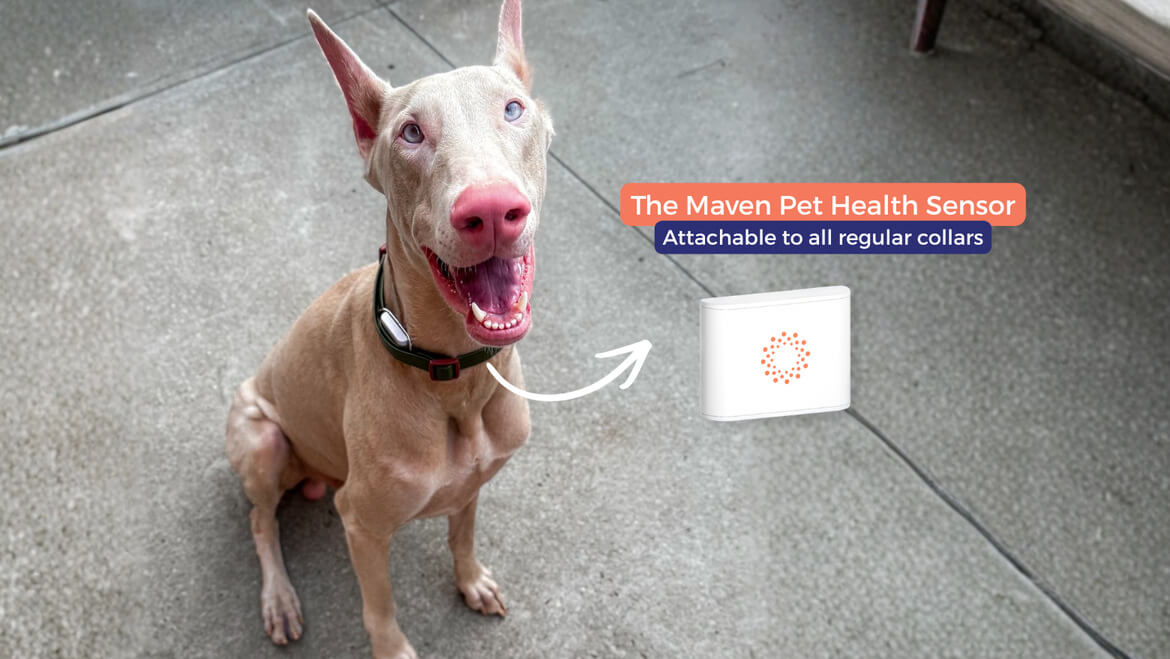
Dog arthritis, or osteoarthritis (OA), is a degenerative joint disease where cartilage breaks down over time, causing pain, stiffness, and reduced mobility. It leaves clear signs in daily activity and recovery long before an obvious limp shows up. Maven's dog health tracker clips onto your dog's existing collar and tracks daily activity, rest, and sleep every night, so you catch the pattern early.
Arthritis in dogs shows up in how they move.
We looked at how activity actually changes as joint pain sets in, across thousands of real dogs. The pattern is consistent enough to set your own dog's numbers against.
Signs of arthritis in dogs
These changes are usually gradual enough to explain away as "just getting older" or "a lazy day." Restless nights and reluctance on stairs or jumping often show up around the same time, worth mentioning to your vet together rather than one at a time. Sudden refusal to bear weight, crying out, or collapse is not gradual, that's an emergency: get to a vet the same day.
Slower starts and stiffness
Hesitation getting up, careful first steps after a nap, or shorter walks than they used to take without complaint.
Less "zoomies," less spark
A drop in excited time and high-intensity play. What used to light them up now looks like "maybe later."
Activity fade-outs
Walks end sooner, play sessions fizzle, and total activity trends dip week over week rather than dropping all at once.
Common causes of arthritis in dogs
"Arthritis" describes the end result: worn or damaged joint cartilage. Here's what usually leads there. It can affect any joint, including the spine (sometimes called spondylosis), not just the hips, elbows, and knees people usually picture.
Primary (age-related) OA
Cartilage wears down gradually over years, with no single injury or defect behind it. The most common path to arthritis in dogs.
Watch for: gradual stiffness that builds slowly, usually starting middle-age onward.
Hip dysplasia
The hip joint doesn't form snugly and wears unevenly. Common in larger breeds, and one of the most frequent paths to earlier-onset arthritis.
Watch for: a "bunny hop" gait, reluctance with stairs, symptoms as early as adulthood.
Elbow dysplasia
A similar developmental mismatch in the elbow joint, common in large and giant breeds, that leads to uneven wear over time.
Watch for: front-leg lameness, worse after exercise, often in growing large-breed puppies.
Old injury or joint surgery
A past ligament tear (like a CCL/ACL injury), fracture, or joint surgery changes how weight moves through a joint, often leading to arthritis there years later.
Watch for: favoring the same limb repeatedly, worse after activity, in a joint with a known history.
How vets diagnose arthritis in dogs
Stiffness you've noticed at home is a starting point, not a diagnosis. Confirming what's actually going on, and how advanced it is, usually involves a combination of these.
Physical exam and gait assessment
The starting point. Your vet watches your dog walk and trot, and feels each joint for swelling, grinding, or a limited range of motion.
Joint palpation and pain response
Gentle manipulation of each joint to check for pain, stiffness, or fluid, and to narrow down which joint is actually affected.
X-rays (radiographs)
Show joint space narrowing, bone spurs, and other structural changes that confirm osteoarthritis and its severity.
Bloodwork
Rules out other causes of pain or lameness, and checks organ function before starting certain pain medications.
Joint fluid analysis
For unclear or inflammatory-looking cases, sampling joint fluid can rule out infection or immune-mediated arthritis.
Referral to an orthopedic specialist
For advanced or unclear cases, a veterinary orthopedic surgeon can run more specialized imaging and discuss surgical options.
These visits capture a single moment in time, often one where a dog is anxious enough to mask how they normally move. Maven fills the gap between visits with nightly trend data your vet can act on, not a replacement for diagnosis, but context no single appointment can give them.
Don't just treat pain. Track progress.
Maven learns your dog's personal baseline, then flags meaningful changes. Add a ramp, warm bedding, or a med change, and see if sleep settles, activity rises, and the spark comes back.
Rest quality and sleep interruptions
Night Insights show when pain is disturbing sleep, and when nights normalize after a treatment change.
Excited time and high-intensity movement
Arthritis often steals the spark first. Maven tracks fast-paced moments to reveal real-world pain relief or flare-ups.
Total activity and "shape of the day"
See if walks are shrinking, play is fading, or afternoons have become unusually quiet compared to your dog's own normal.
A personal baseline for your dog
No generic ranges. Maven compares today to your dog's usual, so small wins and small setbacks both stand out.
Journal and checkups
Log meds, supplements, or massage sessions and overlay them with mobility trends, so you know what's actually helping.
Shareable reports for your vet
Clear week-by-week summaries make arthritis reviews faster and treatment plans tighter.
Does the sensor actually catch a flare-up in real life?
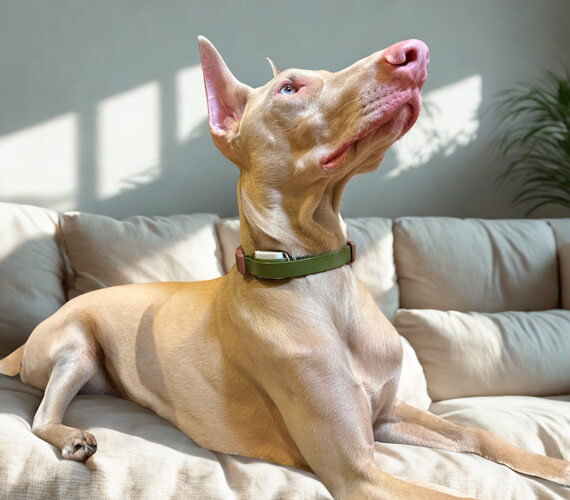
Nine real flare-ups. Eight caught by the data.
Osteoarthritis is one of the most common conditions in dogs, and flare-ups are notoriously easy to miss day to day. Independent researchers, including three of Maven's own veterinarians, tracked five dogs with diagnosed OA for up to four months using the Maven sensor.
Nine real clinical events happened during the study, seven OA-related flare-ups and two unrelated health issues. In eight of the nine, the sensor's activity data lined up with when the flare-up started, worsened, or improved. In one case, the drop in activity showed up before the owner noticed anything was wrong.
How to spot an arthritis flare-up at home
You don't need special equipment to catch most flare-ups early, just a consistent way of looking. Here's what vets generally recommend watching for.
Stiffness that eases within a few steps is common and mild. Stiffness that lasts several minutes or doesn't ease at all is worth noting.
Not just whether they play, but how long and how hard. Play that winds down faster than it used to is a meaningful signal.
Hesitation or a small hop-up instead of a smooth jump onto furniture or into the car often shows up before an obvious limp does.
Same time of day, same activity, so you're comparing like for like. A trend over weeks is what actually matters, which is also where this gets hard to keep up manually.
You know your dog better than anyone. That's not the same as data.
Most dog parents catch arthritis flare-ups the same way: a feeling that something's a little off, checked against memory of how their dog used to move. It works eventually, usually right after the flare-up is already obvious.
Set it up tonight. Your dog's baseline is ready in a week.
Attaches to whatever collar your dog already wears. Small, light, and most dogs stop noticing it within an hour.
The first week, Maven learns what normal activity and rest look like for your specific dog, so later alerts mean something.
If activity, rest, or sleep drifts from your dog's personal normal, you get a notification, with enough time to act before it becomes urgent.
Download a monthly health report PDF covering activity, rest, and sleep. Walk in with actual trend data instead of a vague impression.
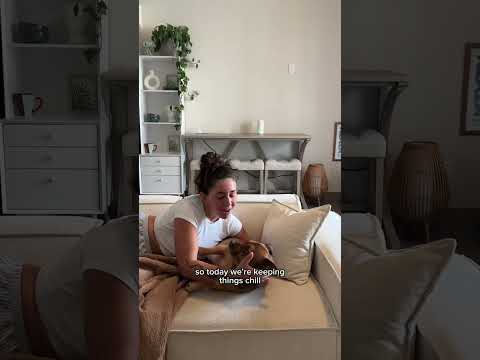
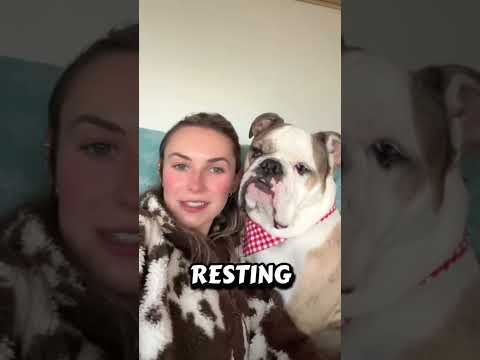

What arthritis dog parents say about Maven
"Maven has been a game changer for me and my senior dog. After her first arthritis flare-up, the data from Maven showed a clear decline in her activity and more restless nights, which helped me realize something was wrong much earlier than I would have on my own. I used the reports and data trends during her vet visit, and it made the whole process faster and more accurate. Since then, I've been tracking her activity, rest, and flare-ups in the app so I can catch changes sooner."
"Binx used to limp sometimes, and I'd stress wondering if I overdid our walks. Now I see when his activity dips, so I can give him extra rest days. I feel so much calmer knowing I'm doing right by him."
"Our cocker spaniel has IVDD and spinal arthritis, so this purchase just makes sense for us. He gets enough exercise now without overdoing it thanks to Maven. We want to know how he's doing, beyond what he can communicate with us."
FAQs about arthritis in dogs
Can you prevent arthritis in dogs?
Not entirely, hereditary joint conditions like hip and elbow dysplasia can't be avoided outright in predisposed breeds. But several things measurably lower the risk or slow how fast it progresses.
Keeping a healthy weight
The single most controllable factor. Less weight means less mechanical stress on every joint, every day.
Regular, low-impact exercise
Consistent gentle movement keeps joints mobile and muscles strong without the repeated impact that accelerates wear.
Joint-friendly diet
A balanced diet supports healthy body condition, which is one of the clearest levers for slowing joint wear over a dog's life.
Know your dog's breed risk
Large and giant breeds, and breeds prone to hip or elbow dysplasia, benefit from earlier screening and proactive joint support.
Regular wellness exams
Routine checkups catch early joint changes, especially in predisposed breeds, well before a dog is visibly limping.
Track activity between visits
A drift from your dog's own baseline is often the earliest available signal, sometimes before any visible symptom.
Start monitoring your dog's mobility tonight
Maven is $13.99 a month with the sensor included. 30-day risk-free return policy.
Plans cover 1 pet. 2 and 3 pet options available at checkout. The sensor fits most standard collars and works for both dogs and cats.
Keep learning about arthritis in dogs
Everything from spotting the first signs, to food and exercise that actually help, written by our in-house veterinarians.
Don't just treat pain. Track progress.
Dog arthritis doesn't wait for your next appointment. Start monitoring activity, rest, sleep, and excited time today. See small changes early and walk into the clinic with confidence.
Explore Dog Health Tracker30-day risk-free return policy · Free worldwide shipping · 6-month minimum commitment