Mitral valve disease in dogs (MVD / MMVD): stages, signs, and home monitoring
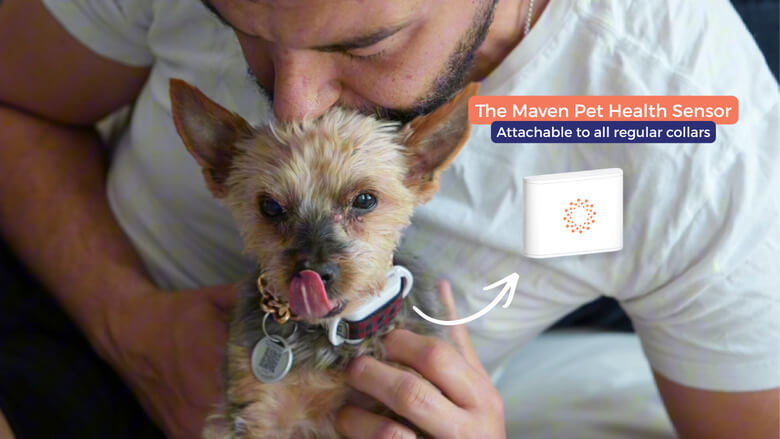
Mitral valve disease in dogs, also called MVD or myxomatous mitral valve disease (MMVD), is the most common heart condition in small dogs. The mitral valve gradually leaks, forcing the heart to work harder over years. Maven Pet monitors resting respiratory rate through the collar so you catch progression to congestive heart failure days before visible symptoms.
Mitral valve disease in dogs has a pattern we can see.
MVD, also called mitral valve disease in dogs or myxomatous mitral valve disease (MMVD), is the most common heart condition in small breeds. It shows up in resting vitals long before an owner would notice by watching. Here's what our research shows.
What mitral valve disease in dogs actually means
Mitral valve disease (MVD), also called myxomatous mitral valve disease (MMVD) or degenerative mitral valve disease, is the most common acquired heart condition in dogs. The mitral valve sits between the left chambers of the heart and controls blood flow. As it degenerates over time, the valve leaflets thicken and start to leak, forcing the heart to work harder to compensate.
MVD progresses in stages. Many dogs are diagnosed at a routine exam and live years without developing symptoms. What makes the difference in outcomes is how closely the condition is monitored between visits, especially resting respiratory rate, which is the earliest signal that the heart is no longer compensating and fluid may be building near the lungs.
Breeds predisposed to MVD but with no detectable murmur. No treatment needed, but this is the right time to establish a baseline. A year of normal breathing data is exactly what makes future changes detectable.
A murmur is heard but the heart has not yet enlarged. No medication at this stage. Monitoring resting respiratory rate here catches the earliest deviations from your dog's personal normal before any visible symptoms appear.
The heart has measurably enlarged on X-ray or echo. The 2019 ACVIM guidelines recommend starting pimobendan (Vetmedin) at this stage. This is where active monitoring becomes critical. Medication decisions depend on what your dog's breathing is doing at home, not just at the clinic.
Fluid has accumulated, usually around the lungs. Stage C dogs are managed with medication. Stage D dogs have refractory CHF that no longer responds to standard doses. At this point, resting respiratory rate is the number your vet checks first at every appointment. Maven provides that number every morning.
Early signs of heart disease in dogs with MVD
The challenge with MVD is that the early stages are silent. Your dog may look and act completely normal for months or years while the valve slowly worsens. The signs below tend to appear in order, from subtlest to most obvious. By the time the later signs appear, the condition has usually been progressing for some time.
Rising resting respiratory rate at night
This is the earliest warning sign, and it often arrives days before anything visible. A gradual upward drift from your dog's normal 15 to 20 bpm baseline toward 28 to 30 bpm or higher means fluid may be starting to accumulate in the lung tissue. Maven catches this trend automatically.
Soft cough, especially after resting
A new cough in an MVD dog, particularly at night or after lying down, can indicate early pulmonary congestion. Some dogs develop a subtle honk rather than a true cough. This is worth reporting to your vet the same day you notice it.
Reduced exercise tolerance
If your dog tires on walks they used to handle easily, or stops to rest more often, the heart may not be meeting the demand. Activity data from Maven tracks this over time, making gradual declines visible rather than something you might explain away day by day.
Restless sleep or difficulty settling
Dogs with early fluid accumulation near the lungs are often uncomfortable lying flat. They may reposition frequently, sleep sitting up, or wake more often overnight. Maven tracks sleep fragmentation and flags nights that look different from your dog's normal pattern.
How Maven supports dogs with MVD at every stage
For a dog diagnosed with canine mitral valve disease or myxomatous mitral valve disease (MMVD), home monitoring is not optional. Vets specifically recommend tracking resting respiratory rate between appointments because clinic visits only capture a single snapshot. MVD progresses gradually, and the changes that matter most happen at 2am on a Tuesday, not during office hours.
Maven works across the entire disease spectrum. In Stage B, it builds the baseline your cardiologist needs to detect meaningful deviations later. In Stage B2, when pimobendan has been started, it tells you whether the medication is keeping pace with the disease. In Stage C and D, it becomes the single most important daily number for your dog's care team.
For dogs with heart valve disease in dogs, the difference between a medication adjustment and an emergency hospitalization often comes down to how early a breathing trend was caught. That gap is what Maven fills.
Stage B: build the baseline before symptoms arrive
In early MVD, your dog is clinically normal. But Maven is already collecting the data that will make future changes meaningful. A personalized baseline built over months is what separates a concerning shift from normal day-to-day variation.
On pimobendan or furosemide: is the dose still working?
Cardiac medication doses often need adjusting as MVD progresses. A stable or declining RRR tells you the current dose is managing the fluid load. A rising trend over several nights, even within what looks like normal range, is an early signal your vet needs to know about.
Bring real data to your cardiologist
At a cardiology appointment, what you can say is limited to what you noticed. What Maven gives you is weeks of actual trend data. Multiple Maven users have reported that their cardiologist specifically asked about the tracker after seeing the data. That kind of context changes what your specialist can do for your dog.
Alerts before the situation becomes urgent
When your dog's resting respiratory rate moves above their personal threshold, Maven sends a notification. Not a panic. A heads-up with time to call your vet before fluid build-up becomes serious. The threshold is personalized to your dog's own normal range, not a generic number.
What your vet asked you to do and why it rarely lasts more than a few weeks
The standard recommendation for dogs with MVD or a heart murmur is to check resting respiratory rate at home. Wait until your dog is in a deep sleep, count chest rises for 30 seconds, multiply by two, write it down. Every night. Most people do it for a week or two before life gets in the way, and the dog wakes up the moment you approach anyway. Maven is what that protocol was always supposed to be.
Set it up tonight. Your dog is monitored by morning.
The sensor attaches to whatever collar your dog already wears. It is small and light. Most dogs stop noticing it within an hour. No new equipment, no adjustment period.
The first week, Maven learns what normal looks like for your specific dog on their current medications. A dog on pimobendan has a different baseline than one who has not started medication yet. That context is what makes future alerts meaningful rather than just noise.
If your dog's resting respiratory rate trends above their personal normal range, you get a notification. Not an alarm. A heads-up with enough time to call your vet before something becomes urgent.
Download your dog's monthly health report PDF covering breathing rate, heart rate, activity, sleep, and more. Walk into your cardiologist appointment with actual trend data instead of "she seemed a little off last week."



What dog parents with mitral valve disease dogs say about Maven
"My dog has mitral valve disease. Instead of guessing I know exactly how he's doing every day. If there's even a slight shift in his breathing I have the data to act immediately and advocate for him at the vet."
"My 12-year-old was diagnosed with a heart murmur and MVD. Now I can actually see when he's within a safe resting respiratory rate or when he's creeping into unsafe territory and make a better call about what to do."
"The vet told me to get a cardio and respiratory tracker that cost almost $400. After doing my own research I found Maven. This tracker is affordable, accurate, and sends alerts when needed so I can take emergency action if I need to. I cannot recommend this enough."
"My dog's cardiologist asked about the tracker so he could start recommending it to his other patients. That told me everything I needed to know about whether this is worth it."
"It let us know she was having spiked respiration rates at night and with a tweak in her meds it now shows she's breathing much better. I have recommended this to so many people."
Maven customer — Verified Trustpilot
Mitral valve disease shows up in tiny changes. Can you trust the numbers to catch them?
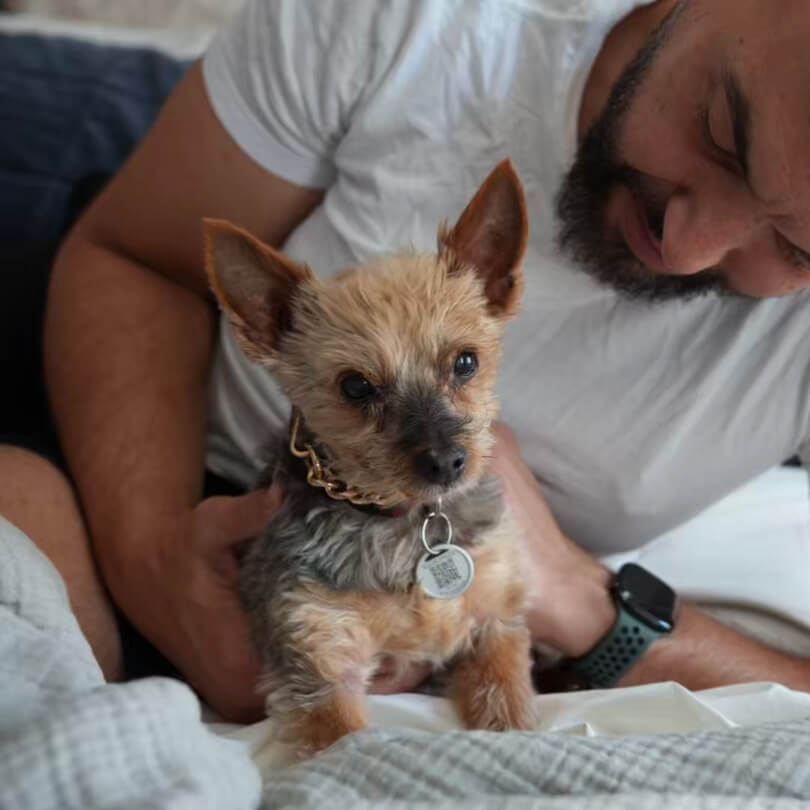
Mitral valve disease in dogs (MVD, also called MMVD) progresses slowly. Sometimes the only clue is your dog's resting breathing creeping up two or three breaths per minute across weeks. So the reading needs to be right, every single night.
A cardiology team at the University of Florida ran the check. Independent vets counted breaths by hand on 19 dogs. The Maven sensor did its own count at the same moment. Across 120 side-by-side comparisons, the sensor and the vet agreed. Big dogs, small dogs, fluffy, sleek. Same result.
Everything about managing mitral valve disease in dogs at home
Start monitoring your dog's breathing tonight
Cardiology monitors cost $400 or more. Maven is $13.99 a month with the sensor included. 30-day risk-free return policy.
Plans cover 1 pet. 2 and 3 pet options available at checkout. The sensor fits most standard collars and works for both dogs and cats.
Your vet said to watch their breathing. Now you actually can.
Managing MVD at home means knowing what is happening every night, not just at the clinic. Maven monitors your dog's breathing rate automatically and alerts you before things become urgent. Set it up tonight.
Start for $13.99/month30-day risk-free return policy · Free worldwide shipping · 6-month minimum commitment