Save 30%! Subscribe to the Annual Plan for just $13.99/month!
Save 30%! Subscribe to the Annual Plan
for just $13.99/month!
Cardiac monitoring for dogs

Heart murmur in dogs: what it means, grades 1-6, and monitoring at home

A heart murmur in dogs is an abnormal sound caused by turbulent blood flow through the heart, graded 1 to 6 by loudness. It is a finding, not a diagnosis. The most common cause is mitral valve disease, especially in small breeds. Maven Pet monitors resting respiratory rate through the collar to catch progression days before visible symptoms appear.

★★★★★ 4.7/5 on Trustpilot
Trusted by 1,000+ families
The Maven Study, 2026

A heart murmur in dogs doesn't always mean abnormal breathing at rest.

A heart murmur diagnosis can feel scary, but a murmur is not a diagnosis by itself. It's a sound your vet hears, and the cause can range from harmless to heart-related. This is what Maven's resting breathing data shows about heart murmurs in dogs, based on 36 dogs with a declared murmur, and when the pattern may be worth watching more closely.

Dog wearing a collar with the Maven Pet sensor attached
Median Resting Breathing
15.1
breaths per minute
The typical resting breathing rate for dogs with a declared heart murmur, still within normal range.
In our sample of 36 dogs with a declared heart murmur, the median resting respiratory rate was 15.1 breaths per minute. That's only 0.7 bpm higher than the median in healthy dogs, at 14.4, and still within the commonly used normal resting range. For many dogs, a heart murmur in dogs does not mean breathing is already abnormal at rest.
Murmur vs Broader Heart Conditions
1.6
bpm lower than heart-condition cohort
Dogs with a declared murmur ran 1.6 bpm lower than dogs with a broader heart condition.
Dogs with a broader heart condition in our study had a median resting respiratory rate of 16.7 bpm. Dogs with a declared murmur came in lower, at 15.1 bpm. That suggests the murmur-declared group had a milder resting breathing pattern than the broader heart-condition group in this dataset, but the difference is still worth tracking over time.
The Dogs Worth Watching
22.7
breaths per minute
The upper edge of the murmur-declared group in our study.
While the median dog with a declared murmur stayed comfortably within normal range, the upper end of the murmur group reached 22.7 breaths per minute at rest. That is still below the commonly used 30 bpm threshold, but it is above the healthy 90th percentile in Maven's data. For a dog heart murmur, this is where a higher baseline or upward trend may deserve closer attention, especially if it comes with coughing, fatigue, faster breathing, reduced exercise tolerance, or changes in sleep position.
With a heart murmur, what changes over time is what matters.
Maven learns your dog's normal resting breathing in the first week and tracks it every day. So you can see whether the pattern stays stable or starts to shift, and share the trend directly with your vet or cardiologist between visits.
See Your Dog's Numbers →
About the data. Findings from Maven Pet's July 2026 analysis of heart murmurs in dogs. 36 dogs with an explicitly declared heart murmur compared to 1,376 healthy dogs and a 471-dog broader heart-condition cohort. Because "murmur" is not a structured onboarding field, some dogs in the wider heart-condition cohort may also carry murmurs that weren't explicitly documented. Small sample size means findings should be considered directional rather than population-level.
What your vet just told you

What is a heart murmur in dogs?

A heart murmur is an abnormal sound caused by turbulent blood flow through the heart. It's not a disease on its own. It's a finding your vet hears through a stethoscope, and it's graded 1 through 6 based on how loud it is. The grade tells you how easy it is to hear. It doesn't directly tell you how sick your dog is, though higher grades do tend to signal more advanced changes.

The most common cause in dogs is mitral valve disease (MVD), where the valve between the left chambers of the heart starts to leak. Small breeds, especially Cavalier King Charles Spaniels, Dachshunds, and Shih Tzus, are prone to this. It can progress slowly over years, or faster, depending on the dog.

1
Mild
Barely audible

Very soft, heard only in a quiet room by an experienced vet. Often found incidentally during a routine exam. Most dogs at this stage have no symptoms. Starting to monitor now builds the baseline your vet will need later.

2
Mild
Soft but consistent

Quiet but clearly heard. Still considered mild. The heart is likely compensating well. Establishing a personalized health baseline now means any future shift in activity, sleep, or breathing will be immediately visible.

3
Moderate
Easily heard

Moderate intensity. Your vet will likely recommend more frequent check-ins and may start discussing cardiac medication. Tracking trends in activity and respiratory rate between appointments helps your vet make those timing decisions with real data.

4
Moderate
Loud, felt on both sides

A loud murmur heard on both sides of the chest. At this stage cardiac medication is likely on the table. Daily monitoring of breathing rate, heart rate, and activity gives your vet objective data on how your dog is responding to treatment.

5
Serious
Felt through the chest wall

Very loud, with a palpable thrill through the chest. The dog is likely on cardiac medication and at higher risk of progression. Resting respiratory rate monitoring becomes essential at this stage to catch early signs of decompensation.

6
Serious
Heard without stethoscope

The most severe grade. Felt and sometimes heard without a stethoscope. Daily monitoring of breathing rate is critical at this stage.

"I wish I had this before I lost my last dog to heart failure. With my current dog who has a murmur, I can see exactly what's happening with their breathing every single day."

Maven customer — Verified Trustpilot
Why continuous monitoring matters

How Maven helps manage a dog with a cardiac heart murmur, at every stage

A heart murmur of cardiac origin, particularly those linked to mitral valve disease or cardiomyopathy, represents a progressive disease spectrum. Not every murmur dog is in immediate danger, but the condition can change over time, and those changes often show up in the data before they show up in the dog.

That's the core value of continuous monitoring. In early-stage disease, Maven establishes a personalized baseline for your dog's breathing rate, heart rate, activity, sleep, and drinking behavior. That baseline is what makes future deviations meaningful. Without it, there's nothing to compare against. With it, even a subtle upward drift in resting respiratory rate or a gradual drop in daily activity becomes visible and actionable.

In more advanced stages, particularly when a dog is at risk of or has developed congestive heart failure, resting respiratory rate becomes the critical signal. It's a well-established marker for pulmonary congestion, and it tends to rise before visible symptoms appear. Catching that trend early means a medication adjustment rather than an emergency visit.

📊

Early stage: build the baseline now

In preclinical phases, your dog may look and feel completely normal. But Maven is already collecting the data that will make future changes detectable. A baseline built today is what gives your vet context six months from now.

📈

Progressive disease: catch the trend, not the crisis

Subtle changes, a gradual rise in breathing rate, reduced activity, more fragmented sleep, often precede overt symptoms by days. Continuous monitoring surfaces these trends while the window to intervene is still open.

💊

On cardiac medication: confirm it's working

If your dog is on Vetmedin, furosemide, or other cardiac medication, resting respiratory rate and activity trends tell you and your vet whether the current dose is doing its job. Without data, you're relying on guesswork between appointments.

🩺

Every appointment: show up with real data

Veterinary cardiologists are increasingly aware of Maven. Some already recommend it to clients. Weeks of breathing, heart rate, and activity trends change what's possible in a cardiology appointment, from impression to evidence.

Manual counting vs. Maven

What your vet asked you to do at home and why most people quietly stop doing it

The instructions: wait until your dog is fully asleep, tiptoe over, stay completely still, count chest rises for 30 seconds, multiply by two, write it down. Repeat daily. Your dog woke up when you walked over. Or you forgot. Or you counted 14 and weren't sure if that was right. This is not a criticism. It's just genuinely hard to do consistently, and the vets know it.

Manual counting at home
Requires catching your dog in a deep sleep without disturbing them
Dogs often wake up the second you walk over, reading ruined
One spot check gives you one data point, not a trend
You miss the overnight hours entirely, which is when changes often appear
Most people give up within a few weeks because it just doesn't fit into real life
Maven Pet tracker
Clips to your dog's existing collar, runs all night without disturbing them
Lightweight sensor most dogs forget about within the first hour
Continuous overnight readings, not one spot check
Catches gradual upward trends before you'd ever notice them visually
Weekly charts ready to share at every cardiology or vet appointment
How it works

Set it up tonight. Your dog is monitored by morning.

1
Clip the sensor to your dog's collar

The sensor attaches to whatever collar your dog already wears. It's small and light. Most dogs stop noticing it within an hour of putting it on.

2
Maven learns your dog's baseline in 7 days

The first week, Maven collects data to understand what's normal for your dog specifically, not a generic average. A 22 bpm baseline for a large dog means something different than the same number for a Cavalier.

3
Get alerts when something shifts

If your dog's resting respiratory rate trends above their personal baseline, you get a notification. Not a scare. A heads-up with enough time to call your vet before it becomes urgent.

4
Bring real data to your vet

Download your dog's monthly health report PDF directly from the app, or share trend charts on the spot. Show your cardiologist actual numbers instead of "she seemed a little off last week."

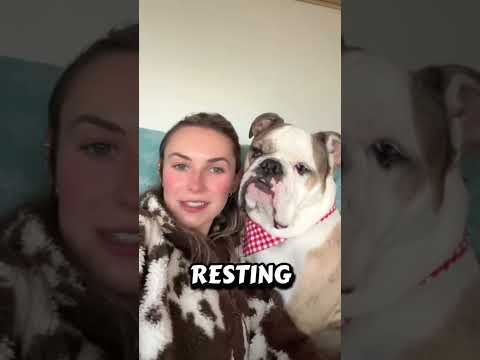
Real dog parents, real stories

Watch Maven in the real world

Maven Pet dog parent story
Dog parent story
Maven Pet in action
Maven in action
Maven Pet review
Pet parent review
From dog parents who've been exactly where you are

What people with heart murmur and cardiac dogs say about Maven

★★★★★

"My 12-year-old was diagnosed with a heart murmur and MVD. Now I can actually see when he's within a safe resting respiratory rate or when he's creeping into unsafe territory and make a better call about what to do."

★★★★★

"My dog has mitral valve disease. Instead of guessing I know exactly how he's doing every day. If there's even a slight shift in his breathing I have the data to act immediately and advocate for him at the vet."

★★★★★

"My dog's cardiologist asked about the tracker so he could start recommending it to his other patients. That told me everything I needed to know about whether this is worth it."

★★★★★

"After my dog's CHF diagnosis, Maven gave me the confidence to keep an eye on her breathing without living in constant panic. I just check the app instead of lying awake listening to her breathe."

Rated 4.8 out of 5 on Trustpilot based on 366 reviews
The Research

Your vet asked you to count breaths.
Can the sensor do the job?

A dog with a Maven sensor
Home monitoring for a heart murmur in dogs, made reliable.

For a dog with a heart murmur, home monitoring means tracking resting respiratory rate every night. Which only works if the sensor's count matches what a real veterinarian would count. A cardiology team at the University of Florida wanted to know.

They tested 19 dogs across 13 breeds. Independent vets counted breaths by hand while the sensor did its own count at the same moment. Across 120 side-by-side checks, the sensor and the vet agreed. Fluffy or sleek. Big or small. Same result.

Read the study AJVR · January 2026
19
Dogs in the study, across 13 different breeds
120
Side-by-side checks, sensor vs. a real vet counting
<1breath
Average gap per minute between the sensor and the vet
Common questions

Everything about monitoring a dog with a heart murmur

A heart murmur in dogs is an abnormal sound caused by turbulent blood flow through the heart, heard by a veterinarian through a stethoscope. It is a finding, not a disease. Murmurs are graded 1 to 6 based on how loud they are. Grade 1 is barely audible. Grade 6 can be heard without a stethoscope. The grade tells you loudness, not necessarily how sick the dog is.
The most common cause of a heart murmur in dogs is mitral valve disease (MVD), especially in small breeds like Cavalier King Charles Spaniels, Dachshunds, and Chihuahuas. Other causes include dilated cardiomyopathy, congenital heart defects such as patent ductus arteriosus, anemia, heartworm disease, and hyperthyroidism. Some murmurs (innocent murmurs) occur in puppies and resolve on their own by adulthood.
Heart murmurs in dogs are graded 1 to 6 by a veterinarian using a stethoscope. Grade 1 is barely audible in a quiet room. Grade 2 is soft but clearly heard. Grade 3 is moderate intensity. Grade 4 is loud with a palpable thrill on both sides of the chest. Grade 5 is very loud with a thrill through the chest wall. Grade 6 is the loudest, heard without a stethoscope. Higher grades usually indicate more advanced disease.
Ask your vet the grade and the suspected cause. A low-grade murmur in an otherwise healthy dog may need only annual monitoring. Higher grades or symptomatic murmurs need closer follow-up and possibly an echocardiogram. Begin tracking resting respiratory rate at home from the first week. That baseline is what makes future changes detectable. Maven Pet automates the tracking so it fits into real life.
Avoid excessive salt in food, strenuous exercise, and stressful situations that spike heart rate. Do not give human cough or cold medicines without veterinary guidance. Keep your dog at a healthy weight to reduce cardiac load. Skip vigorous activity in heat. Do not skip prescribed cardiac medication doses. Monitor resting respiratory rate at home and share the trend at every vet visit.
Some heart murmurs in dogs do go away. Innocent puppy murmurs typically resolve by 4 to 6 months of age. Murmurs caused by anemia, fever, or hyperthyroidism resolve when the underlying condition clears. Murmurs from structural heart disease, including mitral valve disease and dilated cardiomyopathy, do not go away. Those progress over time and need ongoing monitoring at home and at the vet.
A dog with a heart murmur can live for years, sometimes a normal lifespan, especially if the murmur is low grade or caused by an innocent finding. Dogs with grade 1 to 2 murmurs from mild mitral valve disease often live without ever developing heart failure. Dogs with higher-grade murmurs or advanced MVD, DCM, or CHF have a life expectancy that depends heavily on medication timing and home monitoring quality.
Signs a heart murmur is progressing include a rising resting respiratory rate above 30 breaths per minute, a new or worsening cough (especially at night or after lying down), reduced exercise tolerance, restlessness during sleep, and a distended abdomen in advanced cases. Resting respiratory rate rises first, often days before visible symptoms appear. That is why vets emphasize monitoring it at home.
Treatment for a heart murmur in dogs depends on the underlying cause. Innocent murmurs need no treatment. Murmurs from mitral valve disease may need pimobendan (Vetmedin) starting at ACVIM Stage B2, plus furosemide and ACE inhibitors as the disease progresses. Anemia-related murmurs resolve when the anemia is treated. Home monitoring of resting respiratory rate helps your vet adjust medication timing.
A heart murmur in a dog sounds like a whooshing, swishing, or blowing noise between the normal "lub-dub" heartbeat, heard through a stethoscope. Loud murmurs may also be felt as a vibration (a thrill) when a hand is placed on the chest. Only a veterinarian can reliably detect and grade a murmur. If you suspect one at home, request a stethoscope exam at the next visit.
Yes, especially when your dog is on cardiac medication. Pimobendan (Vetmedin), enalapril, and furosemide slow progression and reduce cardiac load. Whether they are working at the current dose is exactly what resting respiratory rate tells you. A stable or declining rate means the medication is doing its job. A rising trend, even within a normal range, is an early signal your vet needs. Maven Pet delivers this data continuously.
Yes. The Maven Pet app lets you download a monthly health report PDF covering breathing rate, heart rate, activity, sleep, and drinking, or share individual trend charts directly. Multiple cardiologists have specifically asked about the device after seeing the reports. Real trend data from home gives your specialist context a single clinic reading cannot provide, particularly for medication adjustment decisions.
Get started

Start monitoring your cardiac dog tonight

One sensor. One app. The breathing data your vet needs from home. Cardiology monitors cost $400 or more. Maven is $13.99 a month with the sensor included. 30-day risk-free return policy.

Most popular · Save 30%
Annual plan
$13.99/mo
Billed annually
That's $167.88/year
Get started
Monthly plan
$19.99/mo
Billed monthly
6-month minimum commitment
Get started
Everything included in both plans
24/7 resting respiratory rate monitoring
Heart rate and activity tracking
Personalized baseline for your dog
Monthly health report PDF for vet appointments
Alerts when readings go above your dog's normal range
Free worldwide shipping

Plans cover 1 pet. 2 and 3 pet options available at checkout. The sensor fits most standard collars and works for both dogs and cats.

Related conditions
Mitral valve disease in dogs
Understanding how MVD causes murmurs and how to monitor at every stage
Congestive heart failure in dogs
What happens when MVD progresses, CHF stages, and managing breathing at home
Dog respiratory rate tracker
How Maven monitors resting respiratory rate continuously with a collar sensor
Your next step

Your vet said to watch their breathing. Now you actually can.

Maven is the only pet tracker that measures resting respiratory rate automatically. Set it up tonight. By morning you'll have your dog's first readings, and you can stop lying awake listening for changes you can't reliably count anyway.

Start for $13.99/month

30-day risk-free return policy · Free worldwide shipping · Cancel anytime