
How Long Do Dogs Live With Kidney Disease? (Vet Verified)

Receiving a diagnosis of dog kidney disease is a heavy moment for any pet parent. The kidneys perform the vital work of filtering toxins from the blood, regulating blood pressure, and maintaining hydration. When they begin to fail, it affects nearly every system in the body. The most common question pet parents ask is: “How long do dogs live with kidney disease?”
Maven Pet’s dog health tracker catches early signs of kidney issues, including subtle changes in resting heart rate and rest patterns that often appear before lab values shift.
While the diagnosis is serious, it is not an immediate death sentence. Many dogs continue to live happy, high-quality lives for months or even years after diagnosis. Understanding the stages of the disease and how to support your dog’s remaining kidney function is the first step in maximizing your time together.
Key Takeaways
- Life expectancy depends heavily on whether the disease is acute (sudden) or chronic (gradual) and the stage at diagnosis.
- Dogs diagnosed in Stage 1 or 2 can often live for several years with proactive management.
- While extending life is the goal, maintaining comfort through diet, hydration, and monitoring is the priority.
Using a dog health tracker to monitor water intake and rest patterns is essential for managing progression.
What Is Kidney Disease in Dogs?

Kidney disease occurs when the renal tissue becomes damaged and can no longer filter waste products effectively. Vets generally categorize it into two types:
- Acute Kidney Injury: a sudden loss of function often caused by toxins, infections, or severe dehydration. If treated aggressively and early, it can sometimes be reversed.
- Chronic Kidney Disease: a gradual, irreversible loss of function that is more common in aging dogs. Because kidneys have a high “reserve capacity,” symptoms often don’t appear until 75% of kidney function is already lost.
Veterinarians use the IRIS (International Renal Interest Society) staging system, which ranks the disease from Stage 1 (mild) to Stage 4 (severe) based on blood creatinine levels, protein in the urine, and blood pressure.
+93%
Increase across
all tracked dogs
+45%
Increase in dogs with
no diagnosed condition
Gradual
Is normal. Sudden
jumps are not
Water intake nearly doubles from adulthood to advanced senior years across all dogs Maven tracks. Even among dogs with no diagnosed condition, it still climbs about 45%, so some of that increase is just normal aging. But a sudden or sharp jump outside that gradual curve is one of the more reliable early signals of kidney disease, diabetes, or Cushing’s, and is worth a vet visit rather than a wait and see.
Source: Maven Pet internal data, life-stage comparison across tracked dogs.
See how Maven tracks water intake→How Long Do Dogs Live With Kidney Disease?
Dogs with chronic kidney disease have a median survival time that ranges from months to several years.
- Acute cases: If the dog survives the initial crisis, they may regain near-normal function or transition into a manageable chronic state.
- Chronic cases: Survival is largely dictated by how early the disease is caught. A dog diagnosed in the early stages who responds well to a therapeutic diet will have a significantly longer life expectancy.
How Long Do Dogs Live With Stage 2 Kidney Disease?
Many dogs in Stage 2 live for 1 to 3 years, and sometimes longer.
At this stage, the goal is “renal protection.”
By switching to a prescription kidney diet and ensuring constant hydration, you can significantly slow the progression to Stage 3.
Because the symptoms are subtle, using a dog health tracker to notice small increases in water consumption can be a lifesaver.
“I got the Maven sensor for my 14-year-old Chihuahua mix with heart and trachea issues. It gave me back peace of mind – I can track her RRR, BPM, drinking, and activity anytime and know instantly if something’s wrong. Highly recommend!”

★★★★★
Chiara De Luca
Titti
How Long Do Dogs Live With Stage 3 Kidney Disease?
The median survival time for stage 3 kidney disease is typically 4 to 12 months, though proactive medical management can push this further.
Treatment often becomes more intensive here, potentially involving subcutaneous fluids (fluids given under the skin) and medications to manage blood pressure or anemia.
Factors That Affect Life Expectancy
No two dogs follow the same path. Several variables influence the timeline:
- Proteinuria: the more protein a dog loses through their urine, the faster the disease tends to progress.
- Blood Pressure: hypertension (high blood pressure) causes further damage to the delicate filters in the kidneys.
- Age and Breed: a younger dog with a congenital kidney issue may have a different trajectory than a 15-year-old senior dog with multiple health issues.
- Dietary Compliance: dogs that strictly eat a renal-support diet live, on average, twice as long as those that continue to eat standard dog food.
How to Help My Dog With Kidney Disease
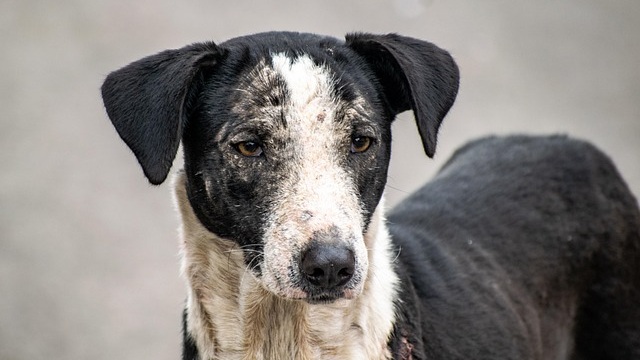
If you are wondering how to help my dog with kidney disease, the most impactful changes happen at home.
- Hydration is Mandatory: kidney-compromised dogs cannot concentrate their urine, meaning they lose water constantly. Always provide fresh water. Adding water to their food or using a pet fountain can encourage drinking.
- Therapeutic Renal Diet: these diets are low in phosphorus and high-quality protein to reduce the workload on the kidneys.
- Stress Reduction: high stress can impact blood pressure. Keep their environment calm and predictable.
- Frequent Vet Check-ups: blood work and urinalysis every 3–6 months are essential to catch “crashes” before they become emergencies.
Quality of Life vs Longevity: What Matters Most?
While we all want more time, the quality of those days is paramount. Kidney disease can eventually lead to “uremia,” where the dog feels chronically nauseated or lethargic.
Pet parents should monitor for the “Good Day vs. Bad Day” ratio.
If your dog is still interested in affection, enjoys their (renal-safe) treats, and remains mobile, their quality of life is likely still high.
When they stop eating entirely or become profoundly weak, it is time for a compassionate conversation with your vet.
How Maven Pet Helps Track Kidney Disease Progression
“Kidney disease progression isn’t always linear. Monitoring daily changes in activity, rest, and water intake helps us adjust care earlier and preserve quality of life.” — Carolina Domingues, DVM, Veterinarian at Maven Pet
Because kidney disease is a “hidden” illness, physical changes often happen too slowly for the human eye to see. This is where a pet health tracker like Maven Pet becomes a critical part of your care team.

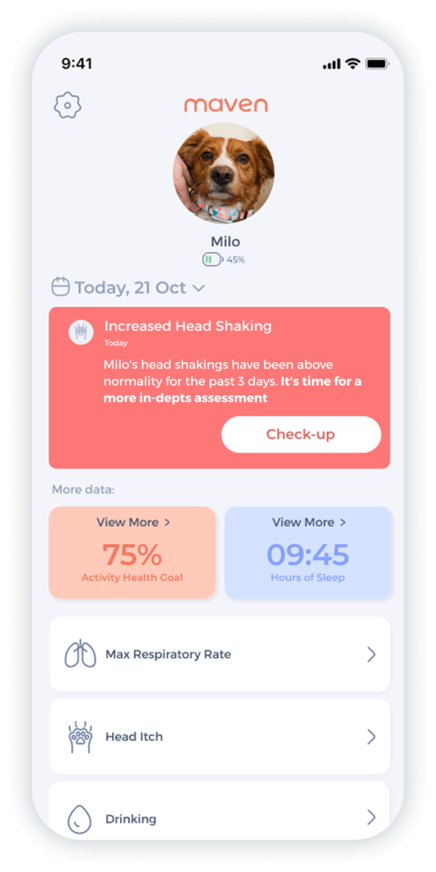
Monitor heart rate, respiratory rate, activity & rest, drinking, itch behavior.
The Maven Pet Health Monitor allows you to track:
- Water Intake: a sudden spike in thirst is one of the earliest signs of declining kidney function.
- Rest and Activity: dogs with advancing kidney disease often become more lethargic. Maven identifies if your dog is resting significantly more than their baseline.
- Heart and Breathing Rates: changes in resting heart rate or breathing can signal secondary issues like high blood pressure or fluid retention.
- Sleep Quality: disrupted sleep can indicate discomfort or the need to urinate more frequently overnight.
By using a pet health app to log these daily metrics, you provide your veterinarian with a data-rich map of your dog’s health, allowing for “micro-adjustments” in treatment that can add months of comfort to your dog’s life.
Takeaways Recap
A diagnosis of kidney disease is a journey, not a destination.
Focusing on nutrition, hydration, and using a dog health tracker to stay ahead of the disease can maximize the happy, comfortable moments you have left with your companion.
Maven Pet focuses on improving the quality of life of our pets with technology, using artificial intelligence (AI) to enable proactive pet care. By accurately collecting and monitoring pet data 24/7 and flagging any irregularities, Maven Pet empowers pet parents and veterinarians to stay ahead of potential health issues, ensuring the well-being and longevity of our beloved companions.