Exercise for Dogs with Arthritis: Safe Ways to Keep Them Moving (Vet Verified)

Managing arthritis in dogs is a balance between pain relief and maintaining muscle strength. If your dog has been diagnosed with osteoarthritis, you may be asking: should you walk a dog with arthritis? The answer is a resounding yes, but with key adjustments. Consistent, gentle exercise for dogs with arthritis is one of the most critical components of their long-term care plan. It helps maintain joint flexibility, manages weight, and prevents muscle loss.
In this guide, we explain how to safely adjust your dog arthritis walking routine and identify the best low-impact activities to keep your companion comfortable and mobile.
Key Takeaways
- Exercise is essential for dogs with arthritis to maintain muscle mass and joint health.
- Low-impact activities like swimming and controlled leash walks are ideal.
- Avoid high-impact movements like jumping and sprinting.
- Opt for shorter, more frequent exercise sessions instead of one long, intense walk.
- Monitor signs of overexertion like heavy panting or favoring a limb, which indicate you need to scale back.
- Tools like the pet health tracker can track changes in activity and rest patterns, helping you identify pain flare-ups earlier.
Why Exercise Is Important for Dogs with Arthritis

While it may seem counterintuitive to move an animal who is in pain, restricting movement entirely can actually worsen arthritis symptoms over time.
Arthritis causes chronic inflammation and the breakdown of joint cartilage. Exercise helps ease arthritis symptoms this in several ways:
- Maintains muscle mass: strong muscles surrounding the joint act as natural shock absorbers and stabilize the joint, reducing strain on the damaged cartilage.
- Aids weight management: maintaining an ideal weight is perhaps the single most important factor in managing canine arthritis.
- Improves joint lubrication: movement stimulates the production and circulation of synovial fluid, the natural lubricating fluid within the joint capsule.
- Boosts mental health: staying active and engaged reduces boredom and anxiety, improving your pet’s overall quality of life.
Should You Walk a Dog with Arthritis?
Yes, controlled walking is highly recommended as a core component of exercise for dogs with arthritis.
Walking provides therapeutic, rhythmic movement that maintains joint flexibility without the high impact associated with running or jumping. However, the key is controlled movement:
- Use a leash: keep your dog on a leash to prevent sudden bursts of speed or chasing that can injure a joint.
- Focus on flat surfaces: avoid rough terrain, steep hills, or slippery floors that can cause a stumble or place uneven stress on the limbs.
- Check the weather: cold, damp weather can exacerbate joint pain. Use a warm coat in winter and stick to shorter walks when conditions are poor.
Safe Exercise Options for Dogs with Arthritis
The ideal exercise for dogs with arthritis is low-impact, meaning it provides resistance and movement without jarring the joints.
- Swimming
- Consistent, controlled leash walks
- Therapeutic exercises prescribed by a vet
“I got the Maven sensor for my 14-year-old Chihuahua mix with heart and trachea issues. It gave me back peace of mind – I can track her RRR, BPM, drinking, and activity anytime and know instantly if something’s wrong. Highly recommend!”

★★★★★
Chiara De Luca
Titti
Dog Arthritis Walking: How Much Is Too Much?
When determining walking limits in dogs with arthritis, think little and often. The goal is movement and consistency, not cardiovascular endurance.
- Aim for 3–5 short walks (5–10 minutes each) throughout the day, rather than one strenuous 30-minute session.
- Begin slowly and end slowly. Never start a walk right after waking up or end it abruptly.
- Listen to your dog: if they hesitate, slow down, or try to sit during a walk, respect that boundary immediately.
Signs of Overexertion (Scale Back Immediately!)
- Limping or favoring a leg.
- Heavy or labored panting.
- Difficulty standing up or reluctance to move the morning after exercise.
- Dragging or scuffing feet.
Exercises to Avoid (High-impact movements)
To protect damaged joints and prevent painful flare-ups, avoid activities that involve:
- Hard stops, jumps, and twists like fetch, frisbee, and running or sprinting after a ball.
- Agility work such as weaving poles, high jumps, and sharp turning.
- Rough play with other dogs.
- Stair climbing.
At-Home Tips for Comfort Before & After Exercise
To maximize the benefit of exercise for dogs with arthritis and minimize pain, integrate these simple home care practices:
- Warm compress (before): apply a warm, damp towel to the sorest joints for 5–10 minutes before a walk to increase blood flow and warm the muscles.
- Use ramps: install ramps leading up to beds, sofas, or into the car to eliminate high-impact jumping.
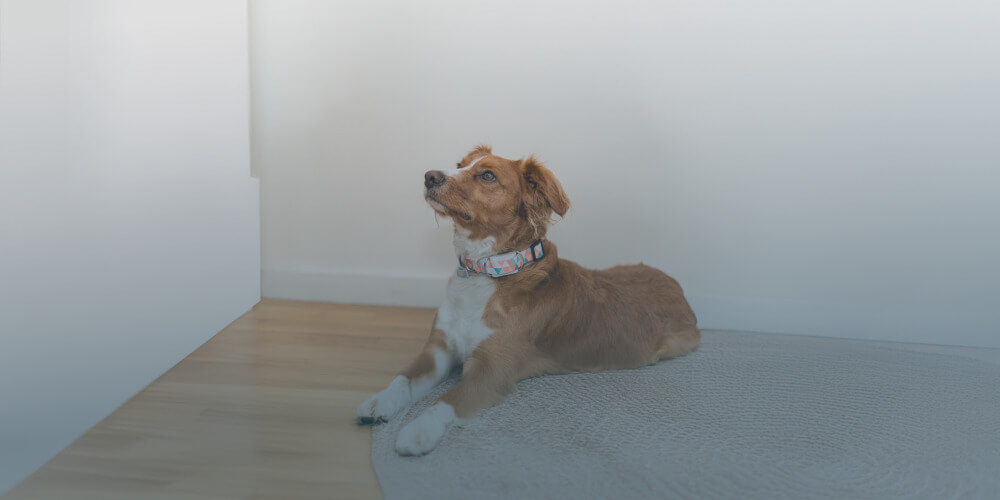
- Provide orthopedic beds: ensure your dog has a firm, supportive, orthopedic bed that reduces pressure points while resting.
- Slip-free floors: use rugs or runners on hardwood or tile floors, as slipping and sliding is a major source of pain and injury for arthritic dogs.
How Maven Pet Helps Track Mobility & Joint Pain Changes
“Arthritic dogs benefit from movement — just the right kind, in the right amount. Tracking patterns helps prevent painful flare-ups.” — Joana Babo, DVM, Veterinarian at Maven Pet
Arthritis is a condition of subtle changes. Your dog won’t tell you they are stiff, but they will show you by changing how they move, rest, and sleep.
A dog health tracker like the Maven Pet Health Monitor is an invaluable tool for pet parents managing this chronic condition.
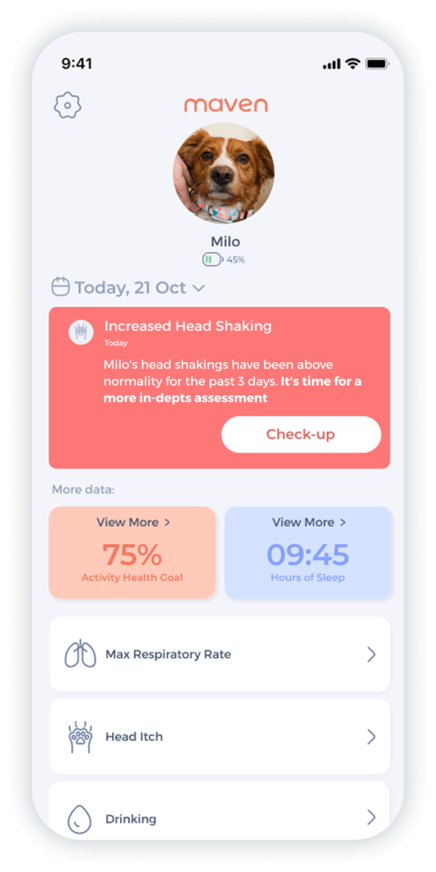
Monitor heart rate, respiratory rate, activity & rest, drinking, itch behavior.
By continuously monitoring key vital signs and behaviors, Maven Pet helps you manage your exercise routine for dogs with arthritis:
- Rest vs. activity patterns: a dog experiencing a flare-up will often spend less time moving and more time resting, or conversely, be unable to settle due to discomfort. Maven helps you detect these deviations.
- Sleep quality: fragmented, low-quality sleep or increased restlessness can be a direct indicator of nighttime pain.
- Heart and breathing rate: pain and inflammation can cause subtle increases in resting heart and breathing rates. The monitor allows you to track these vital signs, offering an objective measure of their discomfort.
- Daily activity levels: you can visually track if your dog’s activity level dropped after a long walk, a sign of overexertion, allowing you to adjust the next day’s routine.
By sending objective data to your pet health app, the monitor empowers you to work closely with your vet, quickly identifying if the current treatment plan or exercise routine needs modification.
Takeaways Recap
- Gentle, consistent exercise for dogs with arthritis is a cornerstone of effective management.
- Dog arthritis walking should be done on a leash, frequently, and on flat surfaces. Prioritize low-impact activities like swimming.
- Always be vigilant for signs of pain or stiffness.
- Use the data provided by tools like the Maven Pet Health Monitor to tailor your dog’s movement to their specific needs.
Maven Pet focuses on improving the quality of life of our pets with technology, using artificial intelligence (AI) to enable proactive pet care. By accurately collecting and monitoring pet data 24/7 and flagging any irregularities, Maven Pet empowers pet parents and veterinarians to stay ahead of potential health issues, ensuring the well-being and longevity of our beloved companions.