Polydipsia in Dogs: Why Your Dog Is Drinking More Water (Vet Verified)

When your pooch seems parched all the time, and it just keeps on gulping down water to an extent that you become suspicious, you could be dealing with polydipsia in dogs. It’s a medical condition characterized by increased thirst and can indicate a range of other serious issues. Join us as we break down this condition, the most common causes, and potential treatments.
Key takeaways:
- Polydipsia means your dog is drinking more than normal, and it’s often a sign of an underlying issue.
- UTIs, diabetes, Cushing’s, kidney problems, liver disease, and some meds are among the most common causes.
- Sudden thirst paired with vomiting, lethargy, or low urination is an emergency.
- Vets diagnose polydipsia through history, exams, and lab tests to uncover what’s driving the excessive thirst.
- Maven helps by automatically tracks drinking patterns, flags anything unusual, so you catch problems before they escalate.
What Is Polydipsia in Dogs?

Polydipsia is the medical term for excessive thirst. In essence, your four-legged friend is drinking far more water than their body typically requires. Now, this isn’t considered a diagnosis by itself but a clinical sign that something else may be going on beneath the surface.
Dogs often ramp up their water intake when their bodies are trying to correct an imbalance, be it a hormone shift, when the kidneys aren’t filtering quite the way they should, or when excess fluid is being lost elsewhere.
The loss can come from frequent urination, and when that too becomes too much, it could be the case of polyuria, or excessive urination. These two conditions usually go hand in hand, so we need to pay attention to both.
Sometimes you’ll just see your pup draining water like there’s no tomorrow, but sometimes the change is not so drastic, so you won’t notice the difference, unless you have the right pet health tracker to help you with that discovery.
+93%
Increase across
all tracked dogs
+45%
Increase in dogs with
no diagnosed condition
Gradual
Is normal. Sudden
jumps are not
Water intake nearly doubles from adulthood to advanced senior years across all dogs Maven tracks. Even among dogs with no diagnosed condition, it still climbs about 45%, so some of that increase is just normal aging. But a sudden or sharp jump outside that gradual curve is one of the more reliable early signals of kidney disease, diabetes, or Cushing’s, and is worth a vet visit rather than a wait and see.
Source: Maven Pet internal data, life-stage comparison across tracked dogs.
See how Maven tracks water intake→Increased Thirst in Dogs: What Counts as Too Much?
Healthy dogs normally drink between 40 and 60 milliliters of water for every kilo of body weight. So, a 25-kilo golden retriever will need over 1.2 liters a day. Sure, the amount can vary depending on the dog’s age, activity level, and even the weather, but that’s roughly the number.
Water intake is considered excessive when it exceeds 100 mL per kilo of body weight. That’s when we can say the dog is officially polydipsic.
“I got the Maven sensor for my 14-year-old Chihuahua mix with heart and trachea issues. It gave me back peace of mind – I can track her RRR, BPM, drinking, and activity anytime and know instantly if something’s wrong. Highly recommend!”
★★★★★
Chiara De Luca
Titti
Common Medical Causes of Polydipsia
When a dog starts drinking water as if preparing for a desert run, it could indicate a serious underlying health issue. Some causes are mild and manageable, like a urinary infection, but others, like diabetes mellitus, are far from it. Let’s review the most common causes of polydipsia in dogs.
- Urinary tract infection (UTI): UTIs can increase urination, prompting the dog to drink more water. In comes polydipsia. It’s one of the less dramatic causes on the list, so the vets usually rule these out first.
- Diabetes mellitus: Insulin deficiency leads to high blood sugar levels. In turn, sugar pulls water into the urine, causing dogs to pee more and drink more in a cycle that becomes pretty hard to miss. Excessive thirst, or polydipsia, is one of the earliest red flags.
- Cushing’s disease (Hyperadrenocorticism): Cushing’s disease is caused by excess cortisol that’s usually the result of a tumor in the pituitary or adrenal gland. In about 90% of the cases, polydipsia is the sign for vets to look into things more thoroughly.
- Pyometra: Pyometra is a uterine infection in unspayed female dogs that releases toxins that can impair kidney function and trigger significant thirst. Even if increased drinking is the first thing you notice, pyometra is a medical emergency, and you should react with haste.
- Kidney disease: When the kidneys fail to filter the blood properly, the body increases its flow, which results in more urine production. This means the body loses extra water, so your dog drinks more to compensate.
- Liver disease: When the liver can’t process toxins or regulate metabolism efficiently, the resulting chemical shifts can make dogs drink more than usual.
- Meds: Certain medications, like steroids or diuretics, can again increase urine production, meaning your dog may drink more simply as a predictable side effect.
With so many causes, it’s hard to pinpoint the pattern. This is why a dog health tracker can be instrumental in helping your veterinarian zero in on what your dog’s body is trying to tell you.
Psychogenic Polydipsia in Dogs
Psychogenic polydipsia in dogs is the increase in thirst, but with no apparent reason. So, the bottom line is that there is nothing medically wrong with your four-legged friend. Instead, it’s a behavioral issue that can be caused by even sheer boredom.
Usually, the triggers can be the owner leaving the house and not being there for a long time, which leads the dog to stop drinking while the owner is away and then drink excessively when they are home.
When Excessive Thirst Is an Emergency
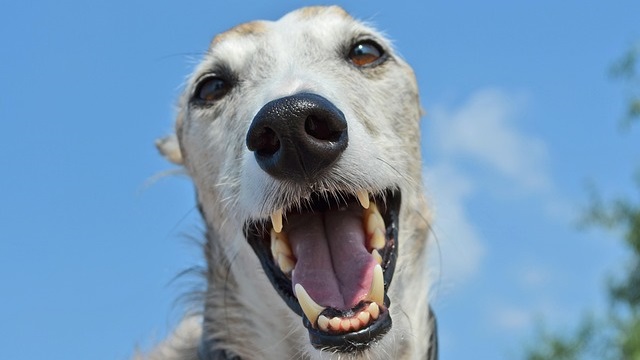
Excessive thirst becomes urgent when it appears all of a sudden and is paired with vomiting, lethargy, abdominal pain, or rapid breathing, or when your dog can’t seem to keep water down. It’s these symptoms that can signal serious problems like diabetic crises, kidney injury, pyometra, or toxin exposure.
It’s also an emergency if your dog is drinking heavily and urinating very little, or if they seem disoriented, weak, or unusually restless. In these cases, skip home monitoring and get them to a veterinarian or emergency clinic right away.
How Vets Diagnose Polydipsia
“Tracking a dog’s usual water intake helps us spot issues like diabetes or kidney disease much earlier. Sudden changes always deserve attention.” — Joana Babo, DVM, Veterinarian at Maven Pet
To diagnose polydipsia, vets perform a physical exam and review your dog’s history to determine whether it has been eating or sleeping well. Then, it’s up to lab tests to give additional insights. Complete blood count, urinalysis, urine culture, and serum biochemistry are some of the tests veterinarians perform.
For example, by measuring the concentration of urine in the kidneys, vets can determine what causes polydipsia and polyuria. There are additional tests for Cushing’s, and X-rays can help identify tumors or pyometra if the vet suspects these are responsible for excessive water intake.
How Maven Pet Helps Track Water Intake & Early Symptoms
Maven Pet’s collar is your biggest ally in keeping track of your dog’s water intake. First, it automatically detects drinking moments, so you don’t need a smart bowl or other devices. Secondly, Maven’s pet health app highlights abnormal days, explains spikes in context, such as heat or exercise, and shows clear week- or month-long trends.
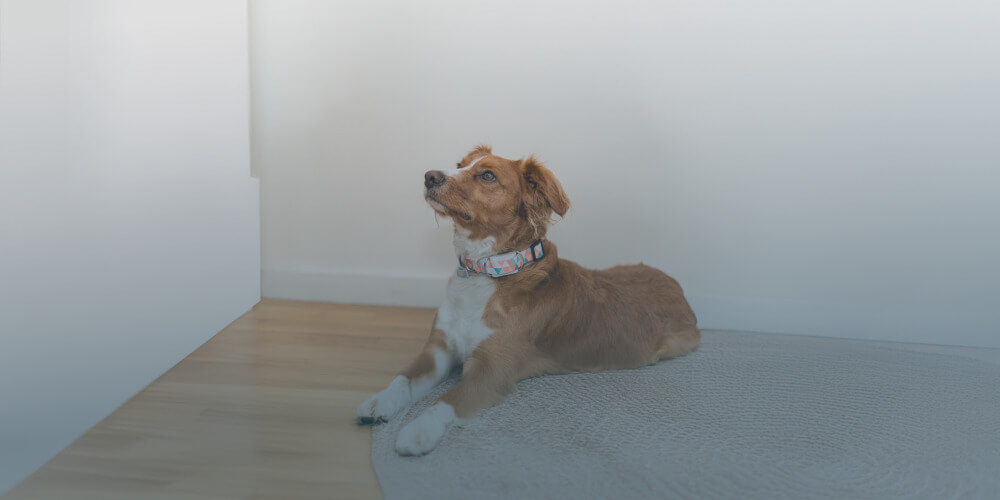
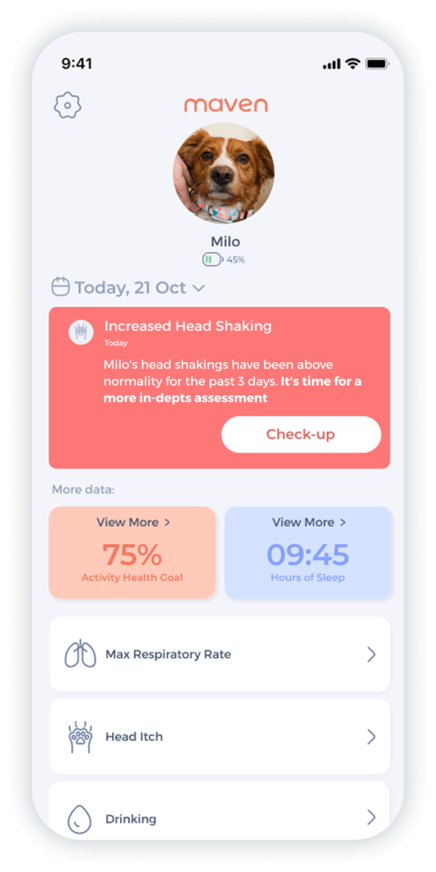
Monitor heart rate, respiratory rate, activity & rest, drinking, itch behavior.
When water intake rises above your dog’s personal range, Maven flags it. If those high-drinking days begin to stack up, the app will recommend a check-in so that your vet can have a look.
With timelines and insights tied to your dog’s routines, meds, or diet changes, Maven helps you spot early patterns before they become bigger concerns.
Conclusion
Polydipsia is far from being just “extra thirst”. It’s a clear signal to look for clues that point to underlying health issues, like urinary infections or diabetes. The dangers these conditions pose are grave and must be acted upon immediately. This is where Maven steps to the scene. It tracks your dog’s real drinking habits, spotting early shifts and giving your vet clear patterns to work with. Try Maven and take the guesswork out of your dog’s hydration.
Maven Pet focuses on improving the quality of life of our pets with technology, using artificial intelligence (AI) to enable proactive pet care. By accurately collecting and monitoring pet data 24/7 and flagging any irregularities, Maven Pet empowers pet parents and veterinarians to stay ahead of potential health issues, ensuring the well-being and longevity of our beloved companions.