Dog Eye Infection (Conjunctivitis): Signs and Treatment (Vet Verified)

A red, watery, or goopy eye can be alarming, especially if it appears suddenly and doesn’t resolve quickly. Many eye problems in dogs are manageable once properly diagnosed, but eye issues are also one of the few areas where “wait and see” can be risky. Knowing what an infection typically looks like, what else could cause the symptoms, and when to get your dog seen can make a real difference.
Dog Eye Infection – The Short Answer
A dog eye infection typically causes redness, swelling and colored discharge, often with squinting or excessive blinking. It can result from bacteria, viruses or parasites, and is frequently secondary to another issue like allergies, dry eye or eyelid abnormalities. Because eye problems can worsen quickly, persistent redness, discharge or visible discomfort should be evaluated by a veterinarian rather than treated at home.
Key Takeaways
- Infections usually involve redness, swelling and colored (not clear) discharge
- Allergies, dry eye and foreign bodies can look similar to infection
- Dog pink eye is another name for conjunctivitis, with infectious and non-infectious causes
- Treatment depends on the underlying cause, so a veterinary diagnosis matters most
- Squinting, pawing at the eye, or fast-worsening symptoms mean it’s time to see a vet
What Is a Dog Eye Infection?
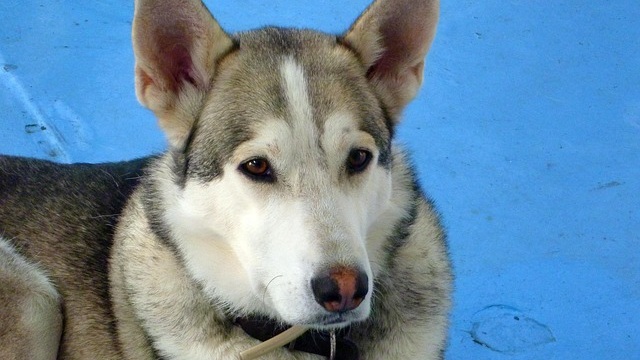
An eye infection happens when bacteria, a virus or a parasite takes hold in or around the eye, most often in the conjunctiva – the pink tissue lining the eyelids and covering the white of the eye. When this tissue is inflamed, it’s called conjunctivitis, or pink eye.
Infection is often not the starting point. Primary pathogens of the conjunctiva are rare in dogs, and infection usually develops secondary to another problem – a scratch, an eyelid abnormality, allergies or dry eye. That’s why treating just the redness often doesn’t fully resolve things.
What Are the Signs of an Eye Infection in Dogs?
Common signs include:
- Redness or swelling around the eye
- Cloudy, yellow or greenish discharge
- Squinting or excessive blinking
- Crusting or eyelids sticking together after sleep
- Pawing at or rubbing the eye
Viral and systemic causes tend to affect both eyes; a scratch or foreign body usually shows up in just one.
“I got the Maven sensor for my 14-year-old Chihuahua mix with heart and trachea issues. It gave me back peace of mind – I can track her RRR, BPM, drinking, and activity anytime and know instantly if something’s wrong. Highly recommend!”
★★★★★
Chiara De Luca
Titti
What Causes Eye Infections in Dogs?
- Bacterial infections: often secondary to another problem
- Viral infections: distemper virus is a notable primary cause of canine conjunctivitis
- Parasites: certain eye worms cause conjunctivitis, tearing and eyelid swelling
- Eyelid abnormalities: entropion, ectropion or eyelash disorders cause chronic irritation
- Irritants: trauma, smoke or pollutants can trigger inflammation
- Allergies: common in dogs with inhalant or seasonal allergies
- Dry eye: reduced tear production can produce thick discharge that resembles infection
- Foreign bodies: often the cause when only one eye is affected
Because so many causes look alike, a veterinary exam is usually needed to find the real one.
Is Dog Pink Eye the Same as Conjunctivitis?
Yes – both refer to inflammation of the conjunctiva, named for the pink or red appearance it takes on. Conjunctivitis isn’t a diagnosis on its own; it describes what the eye looks like, and can stem from infectious causes (bacteria, viruses, parasites) or non-infectious ones (allergies, irritants, dry eye, eyelid conformation). This matters for treatment: conjunctivitis from a systemic virus needs a different approach than conjunctivitis from a chronic eyelid problem, even if both look similar.
What Does Dog Eye Discharge Mean?
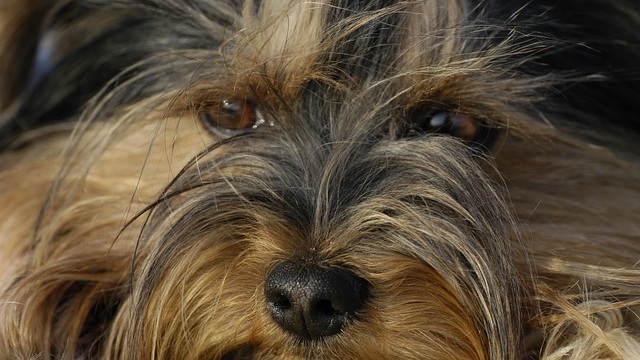
- Clear, watery discharge is often from allergies or mild irritants like dust or wind
- Thick, yellow, or green discharge may signal infection or a more serious condition
- White or gray discharge could suggest dry eye
- Rusty or brownish staining usually reflects tear staining from blocked ducts or breed traits
Minimal, clear discharge in a comfortable dog may not be urgent. Thick, colored, or increasing discharge, especially with squinting, is a stronger signal to see your vet.
What Does Dog Eye Infection Treatment Involve?
The main goal of diagnosis is determining whether conjunctivitis is primary or secondary to another condition, ruling out more serious ocular disease along the way. Treatment may involve:
- Addressing the underlying cause: eyelid abnormality, allergy, dry eye or foreign body
- Prescription treatment targeted at the specific infection type
- Managing discomfort or inflammation
- Follow-up care, since some conditions like keratoconjunctivitis sicca may need lifelong management
Because medication that resolved a past eye issue may not help, or can be harmful, self-treating at home isn’t recommended.
When Is a Dog Eye Problem an Emergency?
Seek prompt care if you notice:
- Squinting or holding the eye closed for more than 24 hours
- A red, bloodshot eye, or a blue color change to the cornea
- Blindness, or excessive pawing at the face
- Discharge that’s thick, colored, or increasing quickly
- Any suspected trauma or object in the eye
Many eye infections can rapidly cause catastrophic damage or signal serious systemic disease (e.g. diabetes mellitus), so early evaluation is the safer choice.
How Maven Helps
Maven can give you broader context on your dog’s wellbeing that may help reach a final diagnosis. Nevertheless figuring out the source of the conjunctivitis requires a vet consultation.
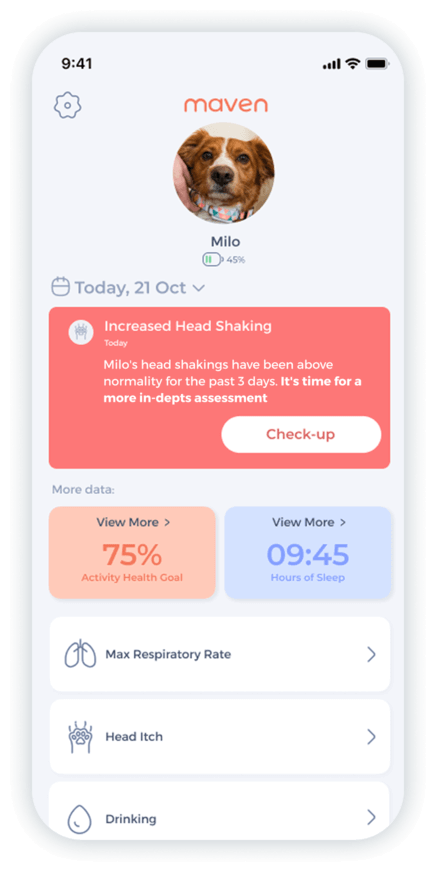
Monitor heart rate, respiratory rate, activity & rest, drinking, itch behavior.
The Maven pet health tracker builds a personalized baseline and flags deviations from pattern:
- Scratching and Head Shaking: via the dog itch tracker, helps flag changes linked to allergies or discomfort – useful alongside dog skin allergies management
- Activity: via the dog activity tracker, can reveal reduced movement and lethargy when a dog feels unwell
- Rest: changes in sleeping pattern might indicate discomfort due to an eye infection
- Heart rate and resting respiratory rate add physiological context during illness
“Redness or eye discharge can have several causes, and dogs may show discomfort by squinting or rubbing at the area. Because some eye conditions can progress quickly, persistent changes or obvious pain should be evaluated by a veterinarian rather than assumed to be a simple infection.” – Joana Babo, DVM, Veterinarian at Maven Pet
The pet health app brings this together, and the dog health tracker covers the full set of metrics.
FAQ (Vet-Reviewed)
Redness, swelling, colored discharge, squinting and pawing at the eye, in one or both eyes.
Clear, watery discharge often points to mild irritation. Thick yellow or green discharge suggests bacterial infection.
Some viral or bacterial forms can spread between dogs. Allergy-related pink eye can’t. A vet can tell you which type your dog has.
Treatment depends on the underlying cause found during a vet exam (e.g. a virus, bacteria, an eyelid abnormality, allergy or dry eye).
Promptly, if your dog is squinting, pawing at the eye, or has thick discharge or a changed-looking eye.
Conclusion
Not every red or watery eye means infection, but persistent redness, discharge, squinting, or discomfort are worth taking seriously. Because so many conditions look alike and eye problems can escalate quickly, a veterinary diagnosis is the safest way to find the real cause. Watching your dog’s comfort and daily patterns helps you catch problems early and take immediate action helped by your veterinarian.
Maven Pet focuses on improving the quality of life of our pets with technology, using artificial intelligence (AI) to enable proactive pet care. By accurately collecting and monitoring pet data 24/7 and flagging any irregularities, Maven Pet empowers pet parents and veterinarians to stay ahead of potential health issues, ensuring the well-being and longevity of our beloved companions.