Dog Dementia Prognosis: Treatment & Nighttime Care (Vet Verified)

Once a dog has been diagnosed with cognitive dysfunction, the natural next question is what happens from here. There’s no cure, but that doesn’t mean there’s nothing you can do. Understanding what influences prognosis, what treatment options exist, and how to manage nighttime restlessness can help you build a realistic plan.
What is the prognosis for a dog with dementia? – The Short Answer
The prognosis for dog dementia varies by individual, but the condition is progressive and currently has no cure. Early intervention with diet, enrichment and medication can slow progression and improve quality of life. Dogs with severe cognitive dysfunction or other health problems tend to have a harder course. Management, not reversal, is the realistic goal, and most dogs can still have good quality time with the right support.
Key Takeaways
- Dog dementia is progressive, but pace and severity vary between individual dogs
- Early intervention with diet, enrichment and medication can slow decline and support quality of life
- Treatment is individualized and may combine dietary changes, supplements, medication and enrichment
- Nighttime restlessness often responds to predictable routines and environmental adjustments
- Sudden or rapidly worsening symptoms warrant a veterinary recheck
What Is the Prognosis for Dog Dementia?
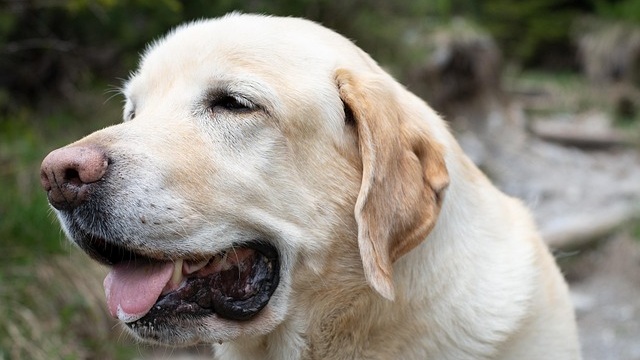
Canine Cognitive Dysfunction (CDD) is a slowly progressive disease that many elderly dogs experience, with no cure. That said, early intervention with diet, enrichment and medications can help slow progression and improve quality of life.
Outlook isn’t uniform: dogs severely affected by CCD, or with other compounding medical problems, often have a worse prognosis and may not respond as well to therapies – which is why an individualized plan matters more than a fixed timeline.
Does Dog Dementia Get Worse Over Time?
Generally yes, but not always at the same rate. A two-year study found that 33% of cognitively normal dogs progressed to mild impairment, while 22% of dogs with mild impairment progressed to full CCD.
Another study found 42% of normal-aging dogs progressed to mild impairment over 12-14 months, and 24% of mildly impaired dogs progressed to moderate – though 85% of moderately impaired dogs remained stable over 6 months.
“I got the Maven sensor for my 14-year-old Chihuahua mix with heart and trachea issues. It gave me back peace of mind – I can track her RRR, BPM, drinking, and activity anytime and know instantly if something’s wrong. Highly recommend!”

★★★★★
Chiara De Luca
Titti
What Factors Affect Prognosis and Quality of Life?
- Age: prevalence, incidence and severity all increase as dogs move into senior and geriatric years
- Physical activity: inactive dogs had 6.47 times higher odds of a CCD diagnosis than very active dogs
- Comorbidities: dogs with a history of neurological, eye or ear disorders have higher odds of CCD
- Nutrition: dogs fed a controlled, high-quality diet were significantly less likely to develop CCD than those on a lower-quality diet
Dog Dementia Treatment: What Can Help?
No single treatment reverses CCD, but combined approaches work best. The most effective strategy implements pharmacological treatment, nutritional support and enrichment concurrently, rather than relying on one alone. Broad categories include:
- Dietary changes: therapeutic diets with antioxidants, fatty acids and brain-supporting nutrients
- Supplements: antioxidants or medium-chain triglycerides (MCTs), which provide an alternative brain energy source when glucose metabolism is impaired
- Medication: prescription options based on individual needs
- Enrichment: exercise, social interaction, new toys and teaching new commands
What Is Used for a Dog With Dementia?
Most plans combine several approaches. One study found a diet combining 6.5% MCTs with a brain-protection blend led to significant improvement in all 6 DISHAA categories after 90 days, versus only 4 categories in controls. DISHAA is the framework used to group dogs in 5 buckets based on CDD signs exhibited.
Activity matters too: in a study of over 11,000 dogs, more physically active dogs showed lower symptom severity and slower progression.
Dog Dementia Medicine: What Owners Should Know
Selegiline is currently the only medication specifically approved for treating CCD in North America. In one trial, 77.2% of dogs improved after 60 days, particularly in disorientation and sleep-wake symptoms. Propentofylline, which increases brain blood flow, is licensed in parts of Europe. Whether medication is appropriate depends on your dog’s overall health and should be a decision made with your vet.
How to Calm a Dog With Dementia at Night
Nighttime restlessness is one of the more distressing symptoms for dogs and owners alike. Establishing predictable daily routines for feeding, walking and sleeping can reduce confusion and anxiety. Adapting communication also helps – for example, using hand signals for hearing-impaired dogs or tactile cues for dogs with vision loss, since sensory decline often compounds nighttime confusion.
Creating a More Predictable Nighttime Routine
Keeping feeding, walks and bedtime on a stable schedule gives a declining dog fewer surprises. Positive reinforcement with high-value rewards can help encourage desirable behaviors and support relearning routines. The goal is creating a safe, predictable, supportive environment that minimizes stress.
When Nighttime Changes Need a Veterinary Check
Not all restlessness is purely cognitive. Undermanaged pain, especially from osteoarthritis, is a major confounding factor. A dog in pain may be reluctant to move, apathetic, irritable when touched and restless at night. Sudden or fast-worsening nighttime symptoms warrant a vet recheck rather than an assumption.
Monitoring Quality of Life and Changes Over Time
Recent guidelines propose a three-tiered severity scale – mild, moderate, severe – based on how symptoms interfere with daily function, combining owner observations with veterinary assessment. Using this over time, rather than judging by one hard night, gives a clearer sense of whether your dog is stable, improving or declining.
How Maven Pet Helps Monitor Senior Dog Health
Maven doesn’t diagnose dementia, assess cognitive function, prescribe medication or determine the cause of nighttime restlessness. That is exclusively a veterinarian expertise. Maven offers continuous data on daily patterns as context alongside your own observations.
The pet health tracker monitors activity, rest, heart rate, resting respiratory rate, and behaviors like scratching and water intake, with alerts for shifts in normal individual patterns – for example in daily activity via the dog activity tracker or rest via the dog sleep tracker.
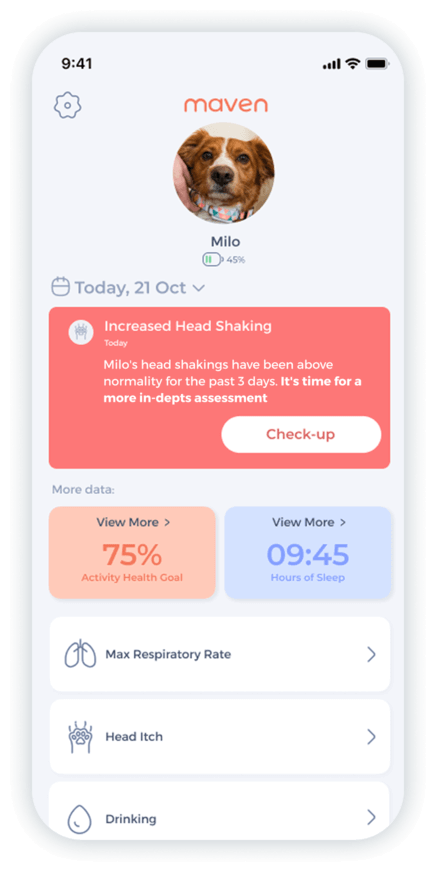
Monitor heart rate, respiratory rate, activity & rest, drinking, itch behavior.
“There is no single timeline for cognitive decline in dogs. The goal is to identify changes early, address contributing health problems, and build a management plan that supports comfort, routine, and quality of life. Tracking trends can also help owners and veterinarians recognize meaningful changes over time.” – Joana Babo, DVM, Veterinarian at Maven Pet
All the information and alerts on your pet are combined in the pet health app, which is possible to get because of the dog health tracker that covers the full set of metrics.
FAQ (Vet-Reviewed)
It varies between pets. Dementia is progressive and has no cure, but early intervention can slow decline. Severe cases or other health problems tend to have a harder course.
Yes – typically a combination of diet, supplements, enrichment and sometimes medication, tailored to the dog.
Some medications, like selegiline, are approved for CCD in certain countries and states. Discuss appropriateness with your vet.
Predictable routines, consistent schedules, and adapted cues for sensory decline can reduce nighttime confusion.
If symptoms worsen suddenly or come with signs of pain, especially at night, get a veterinary recheck.
Conclusion
A dog dementia diagnosis isn’t a countdown – it’s a starting point for a management plan suited to your dog. Progression varies widely, and factors like activity, nutrition and overall health all play a role. With veterinary guidance, consistent routines, and attentive monitoring, many dogs with CCD can maintain a good quality of life for a meaningful stretch of time.
Maven Pet focuses on improving the quality of life of our pets with technology, using artificial intelligence (AI) to enable proactive pet care. By accurately collecting and monitoring pet data 24/7 and flagging any irregularities, Maven Pet empowers pet parents and veterinarians to stay ahead of potential health issues, ensuring the well-being and longevity of our beloved companions.