
Dog Activity Monitor: Benefits & What to Look For (Vet Verified)

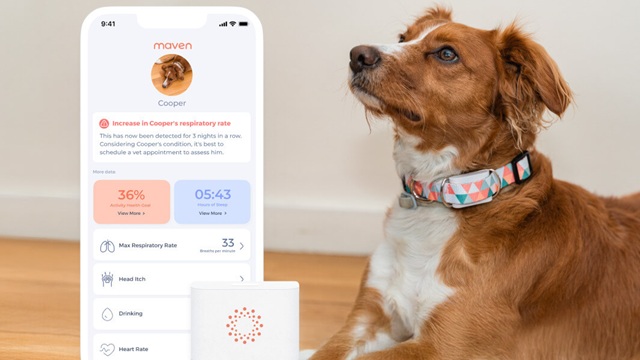
Keeping your dog healthy goes beyond regular vet visits. Subtle changes in behavior – like reduced activity or increased rest – can be early signs of underlying issues. A dog activity monitor helps you track these changes continuously, giving you clearer insights into your dog’s daily patterns and overall health.
What is a dog activity monitor?
A dog activity monitor is a wearable device that tracks your dog’s movement, rest, and behavior over time. Unlike basic trackers, it analyzes trends to detect changes in activity levels, which can help identify early signs of health issues and support more informed veterinary care.
Key Takeaways
- A dog activity monitor tracks movement, rest, and behavior trends
- It differs from GPS trackers by focusing on health insights, not location
- Changes in activity can signal pain, illness, or mobility issues
- Continuous monitoring helps detect issues earlier than observation alone
- The most advanced tools combine activity with heart rate and respiratory data
What Does a Dog Activity Monitor Measure?
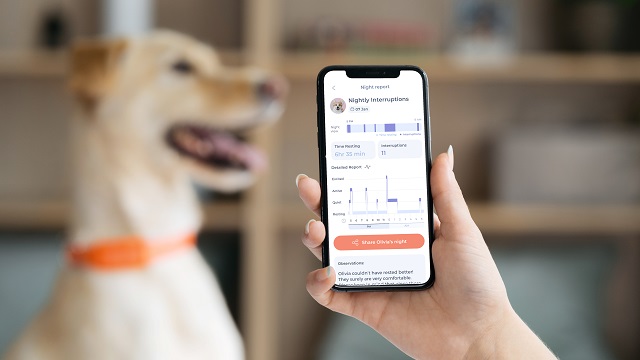
A dog activity monitor is a wearable device – usually attached to a collar – that tracks your dog’s daily movement and behavior.
It typically measures:
- Activity levels (movement intensity)
- Rest and sleep patterns
- Behavioral trends over time
Unlike simple step counters, modern monitors analyze patterns, not just totals. This helps identify deviations from your dog’s normal routine.
“Changes in activity levels are often one of the earliest indicators of underlying health issues. Continuous monitoring gives us valuable insight that owners may not notice day to day.” — Sara Leitão, DVM, Veterinarian at Maven Pet
Dog Tracker and Activity Monitor: What’s the Difference?
These terms are often used interchangeably, but they serve different purposes.
Dog tracker (GPS-based):
- Tracks location in real time
- Helps find lost dogs
- Focuses on safety and navigation
Dog activity monitor:
- Tracks movement, rest, and behavior
- Focuses on health and wellness
- Provides long-term trend analysis
Some devices combine both, but a dog activity monitor is specifically designed to deliver health-related insights, not just location data.
“I got the Maven sensor for my 14-year-old Chihuahua mix with heart and trachea issues. It gave me back peace of mind – I can track her RRR, BPM, drinking, and activity anytime and know instantly if something’s wrong. Highly recommend!”

★★★★★
Chiara De Luca
Titti
What Features Matter Most in a Dog Activity Monitor?
Not all devices offer the same level of insight. The most useful monitors go beyond basic activity tracking.
1. Continuous Activity Tracking
Look for devices that track movement with different intensities throughout the day—not just steps.
2. Rest and Sleep Monitoring
Changes in rest patterns can indicate discomfort, illness, or stress.
3. Trend Analysis
The ability to compare current data to historical patterns is key for detecting changes.
4. Physiological Metrics
Advanced monitors include:
- Heart rate
- Resting respiratory rate
- Water intake metrics
- Itch metrics
These provide deeper insight into your dog’s health.
5. Alerts and Notifications
Real-time alerts help you act quickly when something changes.
How Activity Data Helps Detect Health Changes

Your dog’s activity level is closely linked to their overall health. Even small changes can be meaningful.
According to Cornell Vet, decreased activity is often one of the earliest signs of illness or discomfort in dogs.
Common patterns to watch for:
- Reduced activity → illness, pain, arthritis, or fatigue
- Increased rest → illness or recovery
- Sudden changes → injury or acute conditions
Because these changes can be gradual, they’re easy to miss without consistent tracking.
When Is a Dog Activity Monitor Most Useful?
While any dog can benefit, activity monitoring is especially valuable in certain situations:
Senior dogs
- Detect early signs of mobility issues
- Monitor age-related decline
Dogs with chronic conditions
- Track progression of diseases like arthritis or heart disease
- Monitor response to treatment
Post-surgery recovery
- Ensure activity levels stay within safe limits
High-risk breeds
- Identify early changes linked to genetic conditions
Active or working dogs
- Optimize performance and recovery
How Maven Combines Activity With Health Monitoring
The Maven Pet Health Monitor goes beyond standard activity tracking by combining behavior with physiological data.

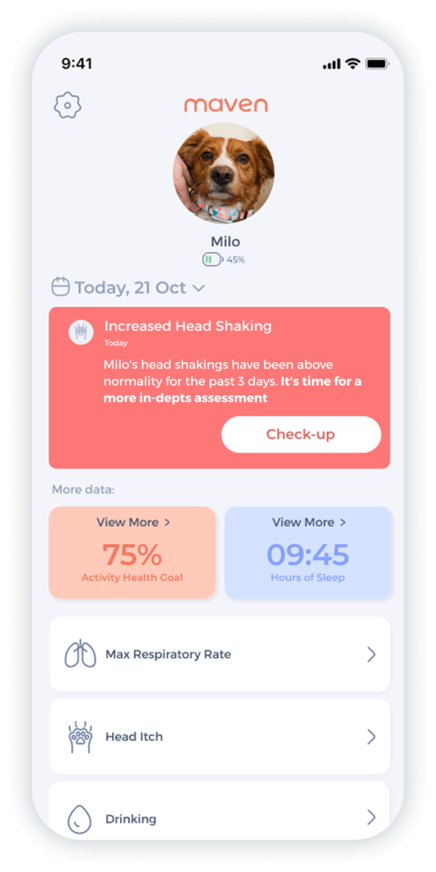
Monitor heart rate, respiratory rate, activity & rest, drinking, itch behavior.
It tracks:
- Activity levels
- Rest patterns
- Heart rate
- Resting respiratory rate
- Head Itch
- Water intake
Instead of just counting steps, Maven builds a personalized baseline for your dog.
As health changes occur, it detects:
- Drops in activity
- Increases in rest
- Shifts in vital signs
When these patterns change, Maven sends alerts – helping you take action earlier and share meaningful data with your veterinarian.
FAQ (Vet-Reviewed)
Most modern devices are reliable for tracking trends over time. While exact step counts in some devices may vary, activity pattern changes are highly useful for monitoring health.
A GPS tracker shows your dog’s location, while an activity monitor tracks behavior and health-related data like movement and rest.
They don’t diagnose conditions, but they can highlight early changes – such as reduced activity – that may indicate underlying issues.
It can still be very valuable. Establishing a baseline when your dog is healthy makes it easier to detect changes later.
Conclusion
A dog activity monitor gives you a clearer picture of your dog’s daily life – beyond what you can observe.
By tracking activity, rest, and behavioral trends, you can:
- Detect early signs of health issues
- Monitor long-term changes
- Support more informed veterinary care
When combined with physiological data like heart rate and respiratory rate, activity tracking becomes more than a convenience – it becomes a proactive tool for better health outcomes.
For dog owners who want to stay one step ahead, continuous monitoring offers a smarter, more informed way to care for their pet.
Maven Pet focuses on improving the quality of life of our pets with technology, using artificial intelligence (AI) to enable proactive pet care. By accurately collecting and monitoring pet data 24/7 and flagging any irregularities, Maven Pet empowers pet parents and veterinarians to stay ahead of potential health issues, ensuring the well-being and longevity of our beloved companions.