
Dog Skin Yeast Infection: Treatment Guide (Vet Verified)

When you notice that your dog’s skin is getting itchier and there are spots of redness or a foul smell coming from them, it could be that the small microorganisms on the skin, called commensals, are going haywire and multiplying. The most common ones are yeast, more specifically, the fungus Malassezia pachydermatis. Today, we’ll break down dog skin yeast infections, their causes, treatments, and prevention measures.
Key takeaways:
- Dog skin yeast infections are most often secondary to allergies or other underlying conditions.
- Redness, itching, odor, and greasy or crusty skin are common warning signs of yeast overgrowth.
- Effective treatment requires consistent topical therapy and, in some cases, prescription medication.
- DIY home remedies can worsen yeast infections and delay proper healing.
- Tracking itch patterns via Maven Pet’s tracker helps detect flare-ups early and supports better vet-guided care.
What Is a Dog Skin Yeast Infection?
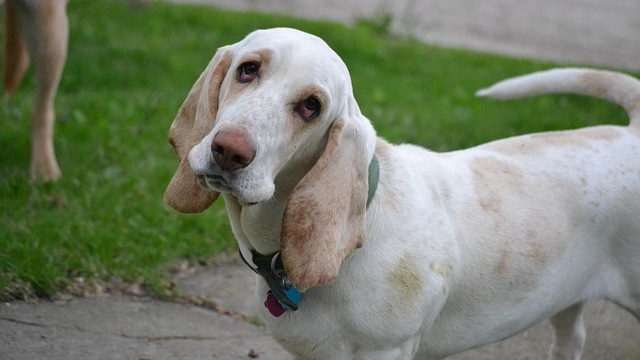
A dog skin yeast infection is an overgrowth of Malassezia yeast. It’s the most common secondary skin issue vets see, especially in dogs with underlying skin allergies. Usually, this fungus doesn’t cause any problems. Still, when the skin’s natural balance is disrupted by imbalances in moisture or allergies, hormonal conditions, or a weakened skin barrier, yeast can multiply.
As a result, the skin becomes red, itchy, thickened, and often greasy, and it often has a noticeable musty or “corn chip” smell. Ears, paws, armpits, groin, neck folds, or under the collar are areas where you will most often see these spots.
Dog Yeast Infection Skin: Common Signs & Symptoms
Yeast infections announce themselves through changes you can see, smell, and definitely notice in your dog’s behavior. Some signs are subtle at first, while others become impossible to ignore once the irritation ramps up.
The usual symptoms include:
- Persistent itching or scratching, often worsening over time
- Red, inflamed skin that may feel warm to the touch
- Crusty skin with flakes
- Greasy, oily, or waxy skin texture
- Thickened or darkened skin (sometimes described as “elephant skin”)
- Musty, yeasty, or corn-chip–like odor
- Hair loss in affected areas
- Excessive licking or chewing, especially of paws
- Recurrent ear infections with similar odor and discharge
A big clue is location since yeast loves warm, moist areas such as paws, ears, armpits, belly, groin, neck folds, and under collars. If you’re seeing repeat flare-ups in the same spots, it could be the start of a dog yeast infection of the skin.
What Causes Yeast Overgrowth in Dogs?
The most common trigger of yeast overgrowth, according to vets, is allergies, especially environmental or food-related ones. Allergic skin is naturally inflamed and itchy, which damages the skin barrier and creates the perfect environment for yeast to thrive.
Other contributing factors include excess moisture (from frequent swimming, inadequate drying, or skin folds), hormonal imbalances (such as hypothyroidism or Cushing’s disease), and immune system suppression. When the immune system is under attack, yeast is among the first to take advantage.
Certain dog breeds, for example, Cocker Spaniels, Bulldogs, Basset Hounds, West Highland White Terriers, Poodles, Boxers, Shih Tzus, Dachshunds, Pugs, Golden Retrievers, Labrador Retrievers, and English Setters, are also predisposed due to genetics and their skin folds or oily skin.
Yeast Infection Crusty Dog Skin Conditions Explained
Yeast infection causes crusty skin conditions because excess skin cells and oils build up, leading to flaky, thickened, or crusted patches. Over time, the skin may darken, feel leathery, or even develop a greasy scale, which can actually indicate a long-lasting yeast infection rather than a sudden flare.
Actually, once you are dealing with a crusty yeast-related skin, it’s almost certain that the untreated inflammation was caused by allergies and that the treatment will take longer.
“I got the Maven sensor for my 14-year-old Chihuahua mix with heart and trachea issues. It gave me back peace of mind – I can track her RRR, BPM, drinking, and activity anytime and know instantly if something’s wrong. Highly recommend!”

★★★★★
Chiara De Luca
Titti
How to Treat Yeast Infection on Dogs’ Skin (Vet-Guided)
The treatment of yeast infection focuses on reducing yeast on the skin while calming inflammation. This often involves medicated topical therapy (such as vet-recommended anti-fungal shampoos, wipes, or mousses) that you need to use consistently and correctly.
For example, you start with an anti-fungal shampoo and continue with mousse application every 48-72 hours for about 3 weeks or more, if your vet deems it necessary. On the other hand, if antifungal oral medication is required, it will work best in combination with the topical treatment or any antibiotics the vet prescribes to treat the bacterial skin infection, if there is one.
We mention consistency and a comprehensive approach to treating yeast infections because many pet owners skip applications or stop early, which can cause infections to linger or rebound.
What NOT to Do at Home
When you suspect a yeast infection has entered the picture, don’t rely on the common DIY approaches, as they can actually make the problem worse or delay proper treatment.
Avoid these common at-home mistakes:
- Don’t use human antifungal creams or medications: Products meant for people aren’t formulated for canine skin, may be unsafe if licked, and can make the irritation even worse.
- Don’t rely on vinegar, baking soda, essential oils, or “natural” remedies: These are frequently shared online but aren’t supported by veterinary evidence.
- Don’t over-bathe with regular shampoo: Frequent washing with non-medicated products strips protective oils, dries the skin, and can actually encourage yeast overgrowth.
- Don’t stop treatment early: Yeast often improves visually before it’s truly under control. Stopping too soon is a leading cause of recurrence.
When to See a Veterinarian
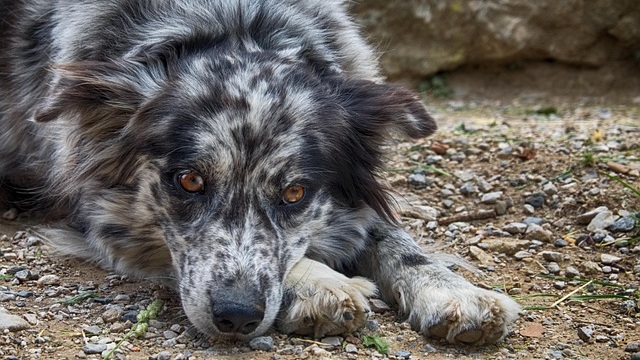
“Yeast infections often show up first as increased scratching or changes in skin texture. Tracking itch patterns helps us intervene before infections worsen.” — Joana Babo, DVM, Veterinarian at Maven Pet
When itching, redness, or odor persist for more than a few days, and the symptoms worsen, it’s time to call a vet. Moreover, if the skin becomes darker and thicker in those areas, and you see significant hair loss and greasy or scaly skin, don’t hesitate to reach out to your vet.
Vets diagnose yeast infection via multiple screening tests and sampling, including:
- Skin biopsy: Involves taking a small piece of skin to veterinary pathologist to analyze it
- Skin scraping: Scraping a bit of skin to collect yeast for analysis
- Impression smear: Pressing a microscope slide on the skin’s surface
- Tape strip: Using a tape strip directly on the surface of the skin to collect yeast organisms
- Cotton swab sample: Using a cotton swab to collect cells from the ear canal
Blood and urine tests, testing for mites and allergies are among additional diagnostic methods that vets use to figure out underlying causes of yeast overgrowth.
How Maven Pet Helps Track Skin & Itch Changes
Having a dog health tracker that can help you detect when your dog has started itching excessively is a boon to solving the yeast infection problem, and Maven Pet’s pet health tracker is just what the vets order.
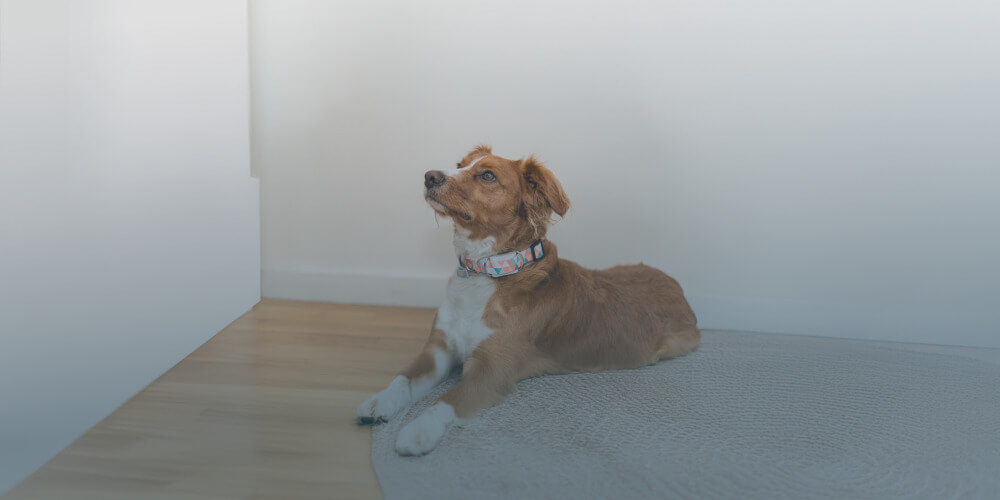

Monitor heart rate, respiratory rate, activity & rest, drinking, itch behavior.
Maven Pet’s itch tracker automatically tracks head scratching and head shaking throughout the day and night, then compares each day to your dog’s personal baseline, flagging abnormal itch patterns before they spiral into full-blown skin infections.
What makes this genuinely useful in practice is the context it adds over time. Weekly and monthly views help you spot flare-ups, improvements, or clusters of high-itch days, while quick in-app checkups let you link spikes to things like weather shifts, swimming, new foods, or medications. That creates a clear, vet-ready timeline available directly in Maven’s pet health app.
Conclusion
Dog skin yeast infections come with a little extra scratching, a faint odor, or skin that just doesn’t look quite right. Allergies, moisture, and genetics all stack the deck, which is why treatment has to be consistent and vet-guided. Sadly, it’s not something a one-off bath or home remedies can solve instantly. Tools like Maven Pet’s itch tracker make this easier by spotting patterns early and turning day-to-day scratching into clear insights you can actually use with your vet before a mild itch becomes a full-blown skin flare.
Maven Pet focuses on improving the quality of life of our pets with technology, using artificial intelligence (AI) to enable proactive pet care. By accurately collecting and monitoring pet data 24/7 and flagging any irregularities, Maven Pet empowers pet parents and veterinarians to stay ahead of potential health issues, ensuring the well-being and longevity of our beloved companions.