Kidney Disease in Dogs: Early Signs & Care Tips (Vet Verified)

Has your furry friend been diagnosed with kidney disease? The kidneys are two of the most vital organs in your dog’s body, so it can be overwhelming to learn your dog is suffering from renal issues. But the good news is that with early detection and careful management, it’s possible to slow the progression of kidney disease in dogs and maintain a good quality of life for your companion.
Because dogs are masters at hiding illness, it’s vital for you to recognize the subtle changes that can signal a problem.
In this vet-verified guide, we explain what dog kidney disease is, highlight the early signs, and outline practical ways you can support your dog’s health through monitoring and home care.
Key Takeaways
- Kidney disease in dogs is a progressive condition where the kidneys lose their ability to filter waste from the blood and conserve water.
- The most crucial early signs of kidney disease in dogs are often increased thirst and increased urination.
- Symptoms are usually subtle in the early stages of kidney disease in dogs.
- Management focuses on specialized diets, fluid therapy, and medications.
- Using a dog health tracker like Maven Pet can be a game-changer, as it tracks subtle shifts in water intake, rest, and activity, helping pet parents and vets catch concerns early.
What Is Kidney Disease in Dogs?
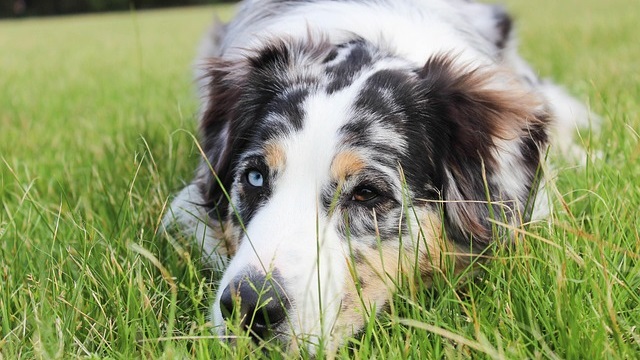
Kidney disease in dogs occurs when the kidneys become damaged and lose their functional capacity.
It can be acute or chronic:
- Acute Kidney Injury (AKI): A sudden onset, often caused by toxins (like antifreeze or certain medications), infections, or severe dehydration. AKI is often reversible if caught and treated quickly.
- Chronic Kidney Disease (CKD): A slow, progressive loss of kidney function that occurs over months or years. CKD is irreversible and requires long-term management to slow its progression.
Early Signs of Kidney Disease in Dogs
Because the kidneys are designed with significant reserve capacity, your dog can lose up to two-thirds of kidney function before showing obvious illness.
That is why the first subtle symptoms of dog kidney disease are important. Here’s what to pay attention to:
- Increased thirst
- Increased urination, meaning your dog will pee more often, in larger volumes, and may have accidents indoors
- Reduced appetite
- Weight loss
Kidney Disease in Dogs Symptoms to Watch Closely
As the disease progresses past the early stages, waste products begin to build up in the bloodstream (a condition called uremia), leading to more pronounced and concerning dog kidney symptoms:
- Lethargy and weakness
- Nausea and vomiting
- Bad breath sometimes described as ammonia-like
- Oral ulcers
- Pale gums due to anemia
- Hiding or changes in behavior
“I got the Maven sensor for my 14-year-old Chihuahua mix with heart and trachea issues. It gave me back peace of mind – I can track her RRR, BPM, drinking, and activity anytime and know instantly if something’s wrong. Highly recommend!”

★★★★★
Chiara De Luca
Titti
Early Stages of Kidney Disease in Dogs: Why They’re Hard to Spot
The early stages of kidney disease in dogs are notoriously challenging to detect for two main reasons:
Kidney Compensation: The healthy parts of the kidney are incredibly efficient at compensating for the damaged parts. They work harder, making the dog appear fine until a significant portion of the organ is compromised.
Canine Instinct: Dogs instinctively try to hide pain or sickness. They may conserve energy or drink water only when you aren’t watching, making subtle changes easy to overlook.
This is why traditional blood markers like creatinine only become elevated once roughly 75% of kidney function is lost.
Modern diagnostics, such as the SDMA test, can now detect changes when as little as 25% of kidney function is lost, emphasizing the value of proactive, annual screenings.
How Vets Diagnose Kidney Conditions
If you notice any concerning symptoms, your vet will perform a thorough examination to detect dog kidney disease.
- Blood Tests:
- Creatinine and BUN (Blood Urea Nitrogen): These two substances are normally cleared from the bloodstream by the kidneys and therefore are indicators of how well the kidneys are functioning.
- SDMA (Symmetric Dimethylarginine): A highly sensitive early marker that can detect kidney damage much earlier than creatinine.
- Urinalysis:
- Urine Specific Gravity (USG): Measures the urine’s concentration. Low USG means the kidneys are not conserving water effectively.
- Proteinuria: High levels of protein in the urine can indicate leakage and damage to the kidney filters.

At-Home Care and Monitoring Tips
Managing kidney disease in dogs is primarily done at home with your vet’s guidance. Your consistency with medication and monitoring is key to slowing progression.
- Prescription Diet: Feed a veterinary diet restricted in protein, phosphorus, and sodium to reduce the kidneys’ workload.
- Hydration: Always provide fresh water and check with your vet if at-home subcutaneous fluid therapy is necessary.
- Medication: Administer prescribed drugs like phosphate binders and anti-nausea/blood pressure medications.
- Monitoring: Keep a daily log of your dog’s appetite to ensure they maintain adequate nutrition.
How Maven Pet Helps Track Early Kidney-Related Changes
“Kidney disease often starts with subtle changes — more thirst, more peeing, or reduced appetite. Early detection helps slow progression and improve quality of life.” — Carolina Domingues, DVM, Veterinarian at Maven Pet
Because the initial signs of kidney disease are so subtle, objective monitoring can be a lifesaver.
A pet health tracker provides specific and reliable data, allowing you and your vet to catch early stages of kidney disease in dogs and adjust treatment swiftly.

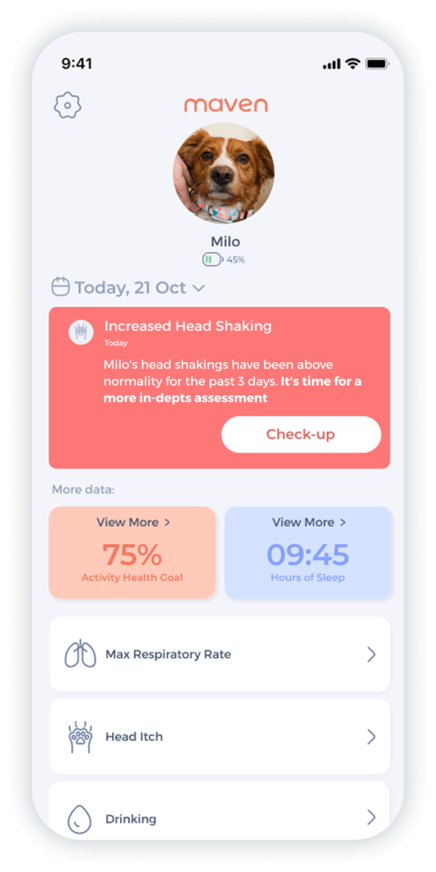
Monitor heart rate, respiratory rate, activity & rest, drinking, itch behavior.
With the Maven Pet Health Monitor, you can closely track several indicators:
- Water Intake: The monitor can track subtle, yet significant, increases in your dog’s water consumption, often the first physical symptom of compromised kidney function.
- Activity and Rest Patterns: Unexplained lethargy is a key symptom of waste buildup. The tracker establishes a baseline and alerts you to drops in daily activity or changes in sleep quality that signal discomfort or illness.
- Heart and Breathing Rate: The monitor tracks resting heart rate and breathing rate, which can sometimes fluctuate due to metabolic changes or anemia associated with advanced kidney disease.
- Data Sharing: All objective data stored in Maven’s pet health app provides your veterinarian with a consistent record of your dog’s behavior, fluid consumption, and overall wellness, even before the next blood test. This data can confirm your observations and lead to earlier, more effective adjustments to their care plan.
Takeaways Recap
- Know the Early Signs: Focus your attention on tracking subtle increases in drinking and urination.
- Prioritize Diagnostics: Ensure your vet includes the SDMA test in your dog’s annual wellness screening.
- Adhere to Diet: The prescription kidney diet is critical for reducing kidney workload.
- Leverage Monitoring: Use the Maven Pet Health Monitor to track fluid intake and activity, which are vital signs of stability in a dog with dog kidney disease.
Maven Pet focuses on improving the quality of life of our pets with technology, using artificial intelligence (AI) to enable proactive pet care. By accurately collecting and monitoring pet data 24/7 and flagging any irregularities, Maven Pet empowers pet parents and veterinarians to stay ahead of potential health issues, ensuring the well-being and longevity of our beloved companions.