Dog Incontinence Treatment: Medication & Care (Vet Verified)

Living with a dog who leaks urine can be tiring, and the daily nursing care takes real effort. Fortunately, most dogs can be managed successfully with medication, close monitoring, and lifestyle changes. This guide explains how dog incontinence treatment works, which medications vets may use, and how you can help at home.
Dog Incontinence Treatment – The Short Answer
Treatment for dog incontinence depends on the underlying cause, so it starts with a veterinary examination. Many dogs respond well to medication that strengthens the urethral sphincter or to hormone therapy, while infections, blockages, or birth defects need different approaches. Practical home care keeps your dog clean and comfortable. Never give medication without veterinary guidance, as the right choice differs for each dog.
Key Takeaways
- Treatment targets the cause, so a diagnosis comes first.
- Medication is the usual first step for a weak urethral sphincter.
- Some dogs need procedures such as urethral bulking injections or surgery.
- Frequent toilet breaks, diapers or pads, and skin checks make daily life easier.
- Never medicate your dog for incontinence without your vet’s guidance.
How Is Dog Incontinence Treated?
There is no single answer to how to treat urinary incontinence in dogs, because treatment should be tailored to whether the problem is storing or emptying urine, and to the underlying cause. For example:
- Urinary tract infection: Antibiotics, and most dogs improve after only a few doses.
- Excessive drinking: Treating the condition behind the extra urine production makes incontinence easier to manage.
- Weak urethral sphincter: Usually medication first.
- Ectopic ureters: The abnormal opening can be repositioned through laser ablation or surgery.
- Blockages: The obstruction is removed where possible or treated with medication.
What Medication Is Used for Incontinence?
Incontinence medication is chosen according to the cause:
- Medications that tighten the urethral sphincter: This class achieves good results in most dogs with a weak sphincter, but side effects can include restlessness, anxiety, high blood pressure, and a fast heart rate.
- Hormone therapy: Estrogens are used in females, while testosterone may be recommended for neutered males that do not respond to other treatments.
- Medications that calm an overactive bladder: May be trialed in dogs with urgency or dribbling after urinating.
- Medications that relax the urethra: Used for dogs that cannot empty their bladder properly.
“The most effective approach to urinary incontinence starts with identifying why the pet is not holding urine. Veterinary guidance helps ensure that treatment addresses the underlying problem while supporting the dog’s comfort and quality of life.”
— Joana Babo, DVM, Veterinarian at Maven Pet
Many dogs that respond poorly to one medication benefit from a combination, and about 70% of cases respond well to medical therapy alone. Any medication should be given only as prescribed, since long-term use requires periodic blood and urine tests.
How Do Vets Choose the Right Treatment?
Not every dog needs the same plan. Vets weigh:
- The diagnosis: If tests do not give a definitive answer, a treatment trial can be started and the response recorded.
- The dog’s gender: First-line options differ between males and females.
- Other health conditions: Sphincter-tightening drugs are not recommended for dogs with heart disease or high blood pressure, and hormone therapy may be preferred for dogs with documented high blood pressure.
- Age: For older females that do not respond to medication, injectable urethral bulking agents are recommended, while an artificial urethral sphincter may be considered more often in younger dogs.
- Your preferences: Collagen injections are an option for pet parents who do not wish to medicate continually. Treatment options and side effects should be discussed openly, since incontinence can be a lifelong condition.
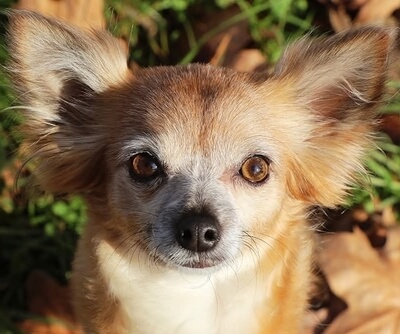
“I got the Maven sensor for my 14-year-old Chihuahua mix with heart and trachea issues. It gave me back peace of mind – I can track her RRR, BPM, drinking, and activity anytime and know instantly if something’s wrong. Highly recommend!”
★★★★★
Chiara De Luca
Titti
How to Care for an Incontinent Dog at Home
- More toilet breaks: Frequent trips outside to urinate are a simple, helpful lifestyle change.
- Use diapers or pads: Diapers are available in both male and female styles.
- Check the skin: Wet hindquarters can lead to rashes, skin infections, and odor.
- Give medication consistently: Never stop or change doses yourself, as inconsistent dosing is one reason incontinence returns.
- Be patient: It can take several weeks to judge whether a medication is working.
- Keep a leak log: It helps your vet assess progress.
When Should You Contact Your Veterinarian?
All dogs with incontinence should be evaluated regularly. Contact your vet sooner if:
- Leakage continues or returns despite treatment, which can point to a new health problem or a different underlying cause
- You notice possible side effects, such as restlessness, appetite changes, or vulvar or mammary swelling
- Noticeable increase in water intake
- Straining to urinate or little urine production, which needs urgent care
How Maven Pet Helps
Dog incontinence treatment is often long-term, and follow-ups work best when your vet can see how your dog is doing between appointments.
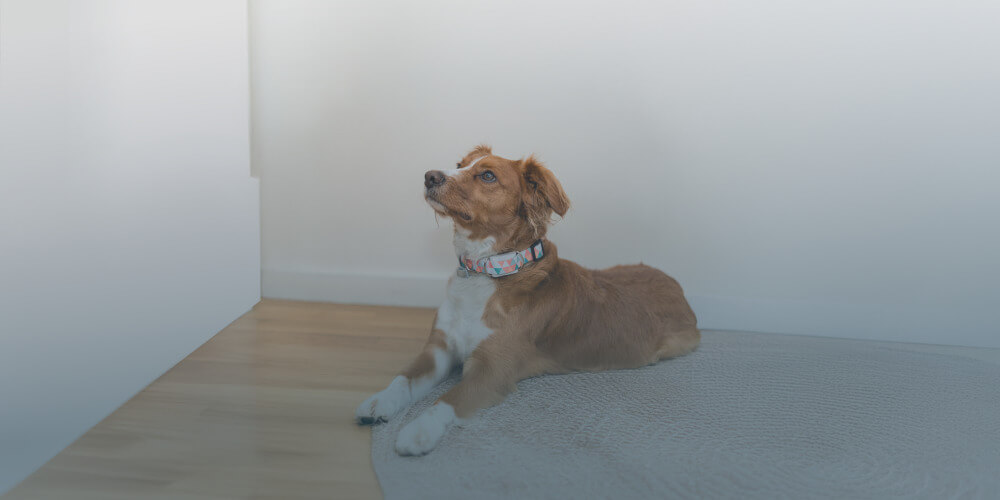
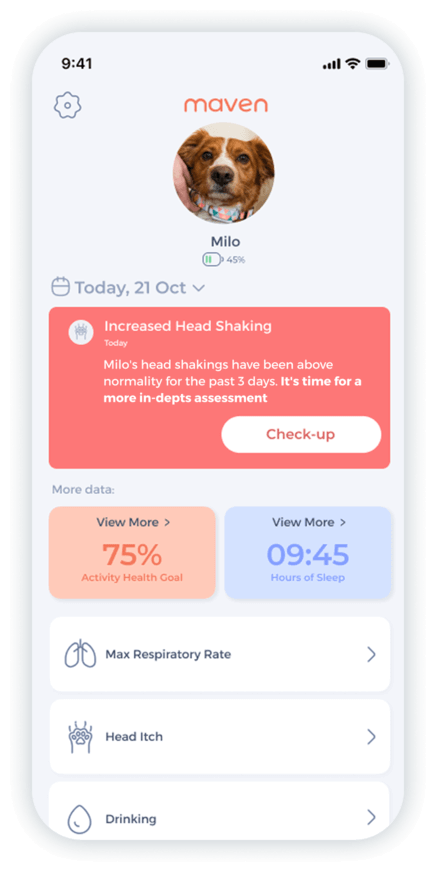
Monitor heart rate, respiratory rate, activity & rest, drinking, itch behavior.
The Maven Pet Health Tracker collar builds a personalized baseline and highlights changes over time:
- Activity and rest: Highlights changes in activity and rest, useful context since restlessness and lethargy are possible medication side effects.
- Heart rate and resting respiratory rate: Adds physiological trends to discuss with your vet.
- Drinking behavior: Continuous dog drinking tracker data helps identify changes in drinking patterns that may be relevant to urinary health.
- Personalized baseline and alerts: Highlights deviations from your dog’s usual patterns.
You can record leaks, doses, and possible side effects in the Journal of the Maven pet health app, and review them with your vet alongside the trends from your round-the-clock dog health tracker.
FAQ (Vet-Reviewed)
By cause: antibiotics for infection, medication for a weak sphincter, and procedures for birth defects or blockages.
It is cause dependent. But for the most common cases, usually medication that tightens the urethral sphincter or hormone therapy, chosen by your vet.
Often, yes. About 70% of cases respond well to medication alone, though many dogs need ongoing treatment. Structural defects might require a surgical approach.
Offer frequent toilet breaks, use diapers or pads, check the skin, and give medication as prescribed.
Conclusion
Dog incontinence treatment works best when it targets the cause. With your vet’s guidance and a few practical changes at home, most incontinent dogs can stay comfortable and enjoy a good quality of life.
Maven Pet focuses on improving the quality of life of our pets with technology, using artificial intelligence (AI) to enable proactive pet care. By accurately collecting and monitoring pet data 24/7 and flagging any irregularities, Maven Pet empowers pet parents and veterinarians to stay ahead of potential health issues, ensuring the well-being and longevity of our beloved companions.