
Heart Healthy Dog Food: Diet Tips for Heart Disease (Vet Verified)

Receiving a diagnosis of a dog heart disease is overwhelming for any pet parent. And one of the first things your vet will tell you is that medication has to go hand in hand with nutrition for an efficient long-term disease management. A heart healthy dog diet isn’t just about “dieting”; it’s a clinical strategy used to reduce the workload on the heart, manage blood pressure, and maintain a healthy body weight.
This guide breaks down the essential nutrients, the importance of sodium restriction, and how technology can help you monitor your dog’s cardiac stability at home.
Key Takeaways
- Heart healthy dog food focuses on controlled sodium levels and high-quality proteins to maintain muscle mass.
- Key nutrients like Taurine, L-carnitine, and Omega-3 fatty acids are essential for supporting cardiac muscle function.
- A low sodium diet for dogs helps prevent fluid buildup in the chest and abdomen.
- Avoid high-sodium treats, “grain-free” diets linked to heart issues (BEG diets), and excess calories.
Monitoring heart rate and resting respiratory rate via a dog health tracker is vital for assessing dietary and medical success.

What Is Heart Healthy Dog Food?
A heart-healthy diet supports the mechanical and electrical functions of the heart.
The goal of cardiac nutrition is to maintain adequate energy intake while minimizing the accumulation of metabolic waste products that a struggling heart might find difficult to process.
Unlike standard maintenance kibble, heart-focused diets are typically:
- Highly digestible: to ensure the dog absorbs nutrients without expending too much energy.
- Calorically dense: dogs with advanced heart disease often suffer from “cardiac cachexia” (muscle wasting), so calorie-rich food is necessary.
- Specific in amino acids: supplemented with nutrients that fuel the heart’s constant pumping.
“I got the Maven sensor for my 14-year-old Chihuahua mix with heart and trachea issues. It gave me back peace of mind – I can track her RRR, BPM, drinking, and activity anytime and know instantly if something’s wrong. Highly recommend!”

★★★★★
Chiara De Luca
Titti
Diet for Dogs with Heart Disease: What Matters Most?
When selecting a diet for dogs with heart disease, certain nutrients act as “cardio-protectors.”
Taurine and L-carnitine
These amino acids are the building blocks of heart health. L-carnitine helps the heart muscle convert fatty acids into energy, while Taurine helps regulate the heartbeat.
Omega-3 Fatty Acids (EPA and DHA)
Found primarily in fish oil, Omega-3s help reduce inflammation and can protect against abnormal heart rhythms. They also help combat the muscle wasting commonly seen in dogs with chronic heart conditions.
Antioxidants
Vitamin E and Vitamin C help neutralize “oxidative stress” in the heart tissue, preventing further damage to the cardiac cells.
Low Sodium Diet for Dogs: When Is It Needed?

One of the most frequent questions owners ask is: Does my dog really need a low sodium diet?
So, in the early stages of heart disease, strict sodium restriction might not be necessary. However, as the disease progresses, the body begins to retain sodium and water abnormally.
A low sodium diet for dogs becomes essential to:
- Lower blood pressure
- Reduce the risk of pulmonary edema (fluid in the lungs)
- Minimize the workload on the heart’s ventricles
Heart Healthy Foods for Dogs (Vet-Approved Options)
If you are looking for heart healthy foods for dogs to use as fresh additions or treats, consider these safe, low-sodium options:
- Blueberries: high in antioxidants and low in calories.
- Cooked salmon or sardines (in water): excellent sources of Omega-3s.
- Carrots and green beans: low-sodium, crunchy snacks that won’t contribute to weight gain.
- Lean chicken breast: provides high-quality protein without the fat found in beef or pork.
But don’t forget to always consult your vet before adding fresh foods to a therapeutic diet.
Ingredients to Avoid in Dogs with Heart Disease
Knowing what to leave out of the bowl is just as important as what to put in. Make sure to avoid foods with these ingredients:
- High-sodium additives
- Excessive phosphorus
- Specific grain-free formulations
Feeding Tips & Portion Control
How you feed is as important as what you feed.
- Provide small, frequent meals throughout the day
- Avoid salt-heavy toppers like broth
- Monitor weight to avoid obesity
How Maven Pet Helps Monitor Heart Health at Home
“Nutrition is a key part of managing heart disease in dogs. Small dietary changes, combined with close monitoring, can make a meaningful difference.” — Carolina Domingues, DVM, Veterinarian at Maven Pet
Managing a dog with heart disease requires vigilance. Changes in heart health are often subtle and happen while you are asleep or at work.

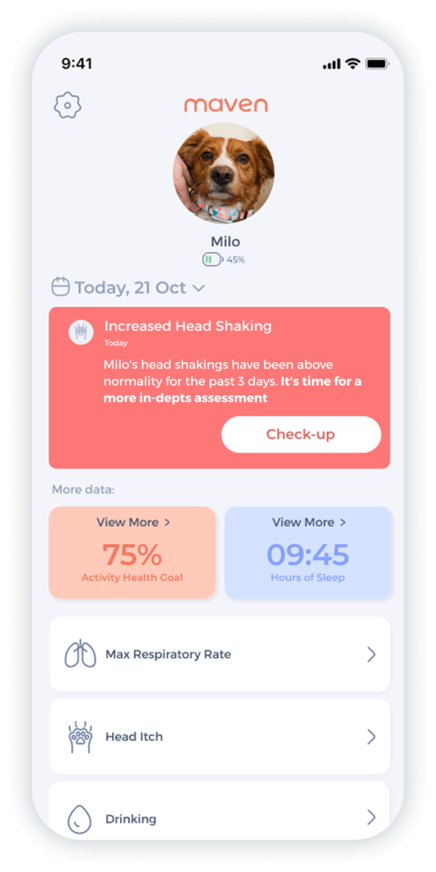
Monitor heart rate, respiratory rate, activity & rest, drinking, itch behavior.
By using the Maven Pet Health Tracker, you gain a “digital vet” in your pocket. The system integrates with a pet health app to provide real-time data:
- Resting Heart Rate: Maven can track shifts in your dog’s heart rate over time, helping to identify if the current diet or medication is keeping them stable.
- Resting Respiratory Rate (RRR): this is the most critical metric for heart disease. An increase in breaths per minute while sleeping is often the first sign of fluid buildup.
- Activity Levels: the dog health tracker monitors if your dog is becoming more lethargic, which may indicate the heart is struggling to keep up with exercise.
- Sleep Quality: using the monitor, you can see if your dog is restless or “pacing” at night, which can be a sign of discomfort or cardiac-related anxiety.
This data allows you to see exactly how heart healthy dog food and medical treatments are impacting your dog’s daily life.
Recap
- A heart-healthy lifestyle for your dog is a three-legged stool: proper nutrition, veterinary-guided medication, and consistent monitoring.
- Focus on high protein, low sodium, and Omega-3s.
- Avoid salty treats and unverified grain-free diets.
- Use a health tracker to monitor breathing and heart rates daily.
- Always transition to a prescription cardiac diet under professional supervision.
Maven Pet focuses on improving the quality of life of our pets with technology, using artificial intelligence (AI) to enable proactive pet care. By accurately collecting and monitoring pet data 24/7 and flagging any irregularities, Maven Pet empowers pet parents and veterinarians to stay ahead of potential health issues, ensuring the well-being and longevity of our beloved companions.