How to Get Your Dog to Drink More Water (Vet Verified)

Water is the most plentiful substance in a dog’s body and it underpins almost every biological function, from regulating temperature and flushing toxins to cushioning joints and supporting organ health. Even mild dehydration can impair how a dog feels and behaves, long before any obvious symptoms appear. And yet, many dogs simply don’t drink enough on their own, whether due to diet, age, preferences or an underlying health issue that hasn’t yet been identified.
How to Get Your Dog to Drink More Water – The Short Answer
The most effective ways to get your dog to drink more water include switching to wet food, adding low-sodium broth to meals, offering multiple water stations, using a water fountain and flavoring water with a small amount of food. If your dog’s drinking habits change suddenly, always rule out an underlying health issue first.
Key Takeaways
- Dogs typically need 40-60ml of water per kg of body weight per day, but requirements increase with activity, heat and illness
- Dogs fed dry kibble need to drink significantly more than those on wet diets, which already contain 70-80% water
- Dehydration signs include sticky or dry gums, slow skin tent, sunken eyes, lethargy and reduced urine output
- Sudden changes in drinking, either more or less, can indicate underlying illness and warrant veterinary attention
- Continuously tracking water intake alongside activity and resting respiratory rate can help detect health changes early
Why Is My Dog Not Drinking Enough Water?
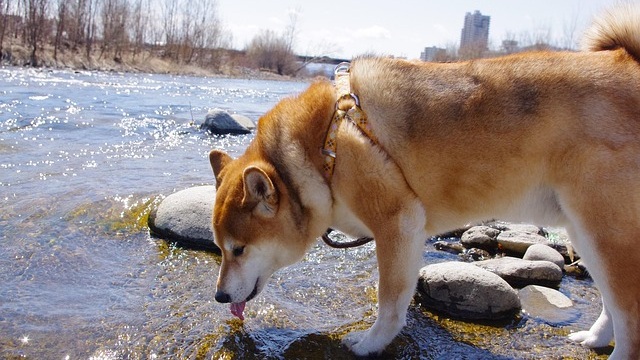
There are many reasons a dog may drink less than they should, ranging from straightforward preferences to underlying medical concerns:
- Diet: dogs eating wet food naturally drink less because canned food contains 70-80% water, compared to just 9-12% in dry kibble. Owners who switch from wet to dry food are often surprised by how much more their dog needs to drink
- Water preferences: some dogs prefer cool, fresh water; others prefer it at room temperature. Bowl material, location or taste can also affect how much a dog drinks
- Age: older dogs may have a reduced thirst drive. Research suggests that as mammals age, thirst sensitivity decreases, meaning dogs may not feel the urge to drink even when mildly dehydrated
- Activity and temperature: water requirements can increase three to four times with activity and in temperature extremes, yet dogs may not always compensate by drinking more
- Illness: kidney disease and diabetes can cause dehydration not because a dog refuses to drink, but because fluid losses exceed what they can replace by drinking alone. Dental pain and nausea can also reduce a dog’s desire or ability to drink. If your dog has recently reduced their intake without an obvious reason, veterinary evaluation is important
+93%
Increase across
all tracked dogs
+45%
Increase in dogs with
no diagnosed condition
Gradual
Is normal. Sudden
jumps are not
Water intake nearly doubles from adulthood to advanced senior years across all dogs Maven tracks. Even among dogs with no diagnosed condition, it still climbs about 45%, so some of that increase is just normal aging. But a sudden or sharp jump outside that gradual curve is one of the more reliable early signals of kidney disease, diabetes, or Cushing’s, and is worth a vet visit rather than a wait and see.
Source: Maven Pet internal data, life-stage comparison across tracked dogs.
See how Maven tracks water intake→How Much Water Should Dogs Drink Daily?
Resting dogs require approximately 40-60ml per kg of body weight per day. For a 23kg (50lb) dog, that’s roughly one liter per day at rest. However, this is a baseline, not a ceiling.
A more precise way to think about it: dogs and cats naturally consume a total (voluntary plus dietary) of 0.1-0.2ml per kJ of energy. This means diet type directly affects how much a dog needs to drink. At dietary moisture contents above 75%, most dogs will obtain sufficient water from their food and voluntary drinking will decrease, which is why dogs on wet diets often appear to drink very little.
Individual needs vary depending on size, activity level, climate and health status. As a practical rule, if your dog’s urine is pale yellow, they are likely well hydrated. Dark, concentrated urine is a signal to encourage more drinking.
“I got the Maven sensor for my 14-year-old Chihuahua mix with heart and trachea issues. It gave me back peace of mind – I can track her RRR, BPM, drinking, and activity anytime and know instantly if something’s wrong. Highly recommend!”

★★★★★
Chiara De Luca
Titti
How to Get Your Dog to Drink More Water
These strategies are practical, safe, and supported by veterinary evidence:
- Switch to wet food or add water to dry food: canned food has much more water content. If your dog doesn’t enjoy canned food, try soaking dry kibble with one cup of water per cup of food until it floats
- Add flavor to the water: mixing one teaspoon of low-sodium meat or vegetable broth per cup of water, or a small amount of their favorite canned food, can make water significantly more appealing. This approach has been shown to tempt even reluctant drinkers
- Try a water fountain: some dogs prefer moving water. While research in cats has shown mixed results for fountains increasing urine dilution, many dogs are more attracted to flowing water than still bowls
- Offer multiple water stations: particularly useful in multi-level homes, for senior dogs with mobility issues, or in warm weather
- Keep bowls fresh: change water and clean the bowl daily; stale water or residue can put dogs off drinking
- Match water temperature to preference: some dogs prefer cool fresh water, while others are happy with room temperature. Observe what yours prefers and adjust accordingly
Research has shown that dogs offered nutrient-enriched water significantly increased their total liquid intake and produced more dilute urine compared to those offered tap water alone, which is an evidence that small changes to what’s in the bowl can make a measurable difference to hydration.
What Are Signs of Dehydration in Dogs?
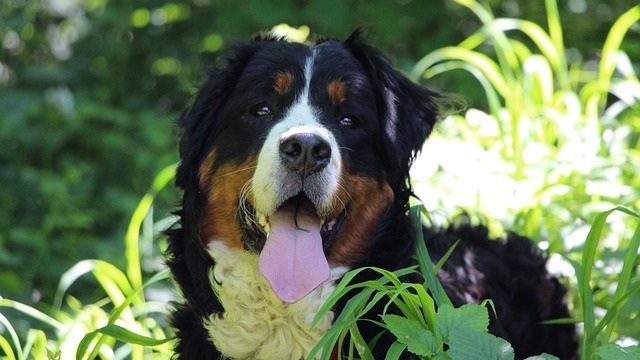
Knowing how to recognize dehydration is as important as knowing how to prevent it. Key signs to watch for:
- Sticky or dry gums: lift your dog’s lip and touch the gums above the large canine tooth. They should feel moist and slippery; sticky gums are one of the earliest detectable signs of dehydration
- Slow skin tent: gently pinch the skin between the shoulder blades and release. It should spring back within one to two seconds. Skin that remains tented or returns slowly indicates moderate dehydration
- Sunken or dull eyes: associated with more severe dehydration
- Lethargy and reduced responsiveness: a dehydrated dog may seem slower, less engaged or reluctant to move
- Decreased urine output: less frequent urination or darker, more concentrated urine
- Rapid heart rate: severely dehydrated dogs may develop a heart rate above 140 bpm and weak pulses, indicating they need immediate veterinary care
“Changes in water intake are often one of the earliest signs that something may be wrong. Monitoring hydration trends over time alongside activity and resting respiratory rate can help identify health issues before more visible symptoms appear.” – Joana Babo, DVM, Veterinarian at Maven Pet
When Should You Be Concerned About Low Water Intake?
Not all reduced drinking is cause for alarm, but certain patterns warrant veterinary attention:
- Your dog has noticeably reduced their water intake for more than a day or two without a clear reason (e.g., switching to wet food)
- Reduced drinking is accompanied by lethargy, vomiting, diarrhea or loss of appetite
- You notice any signs of dehydration listed above
- Your dog is a senior, has a known health condition such as dog kidney disease, or is on medication that affects thirst
- Conversely, a sudden increase in drinking can also signal illness – diabetes, kidney disease and hormonal disorders are common causes of increased thirst in dogs
Certain diseases such as advanced kidney disease can cause severe dehydration because dogs cannot drink enough to compensate for water lost through the kidneys. If your dog’s drinking habits change in either direction without explanation, it is always worth a conversation with your vet.
How Maven Pet Helps
Tracking whether your dog is drinking enough on any given day is difficult to do reliably by observation alone. The Maven pet health tracker monitors your dog continuously, building a personalized baseline of their normal habits, including water intake, and alerting you when something shifts.
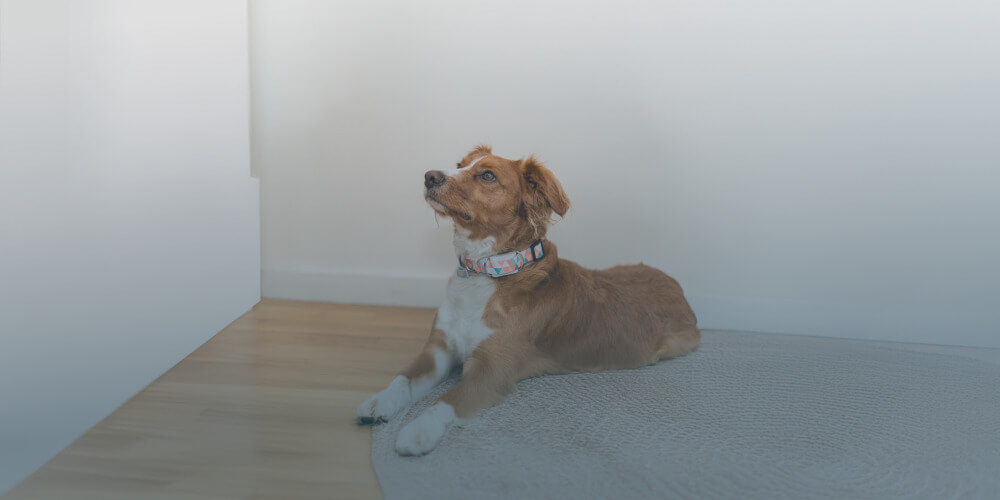
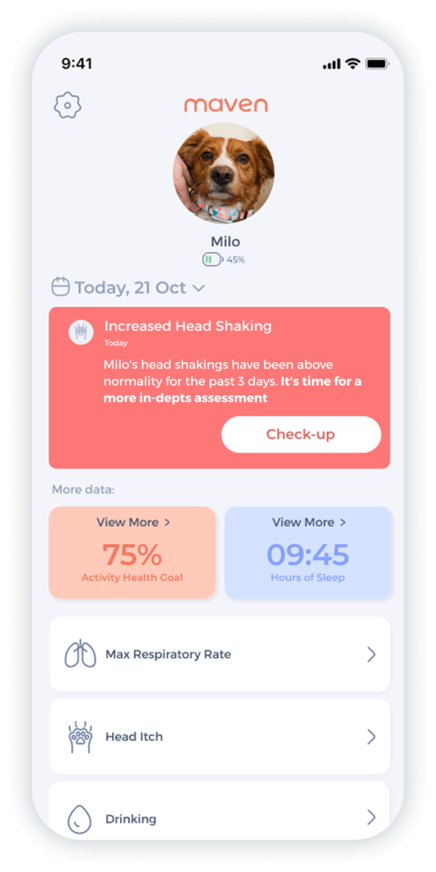
Monitor heart rate, respiratory rate, activity & rest, drinking, itch behavior.
The Maven pet health app combined with a dog health tracker enables continuous monitoring of:
- Water intake: tracks drinking patterns daily, identifying increases that may indicate illness
- Activity levels: detects the lethargy and reduced movement that often accompany dehydration
- Rest patterns: flags unusual fatigue or increased sleep that may signal a health problem
- Heart rate trends: helps identify cardiovascular changes associated with dehydration or stress
- Resting respiratory rate: helps detect underlying illness or distress early
A dedicated dog drinking tracker means you don’t have to guess whether your dog is staying hydrated. You have the data to know and to share with your vet when something looks off.
FAQ (Vet-Reviewed)
The most effective strategies include adding wet food or water to dry food, flavoring water with a small amount of low-sodium broth, offering multiple fresh water stations, using a water fountain and keeping bowls clean and filled daily. If your dog consistently refuses water, consult your vet to rule out an underlying cause.
Common reasons include diet (dogs on dry food need to drink more but may not always compensate), water preferences, reduced thirst sensitivity with age, pain, nausea or underlying illness. Sudden reductions in drinking should always be assessed by a veterinarian.
Key signs include sticky or dry gums, slow skin tent (skin that doesn’t spring back quickly), sunken eyes, lethargy, reduced urine output and in severe cases, rapid heart rate and weakness. Mild dehydration can be easy to miss, which is why monitoring trends over time is valuable.
Contact your vet if reduced drinking lasts more than one to two days without explanation, is accompanied by other symptoms like vomiting or lethargy or if your dog shows any physical signs of dehydration. Senior dogs and those with chronic conditions need closer monitoring.
A resting dog typically needs 40-60ml per kg of body weight per day. A 23kg dog needs roughly one liter daily at rest, and more in warm weather or with exercise. Dogs on wet food will drink less visibly, as their diet already provides significant moisture.
Conclusion
Getting your dog to drink more water doesn’t require complicated interventions. Small, consistent changes to diet, bowl setup and water quality often make a significant difference. But hydration is also more than a practical concern: changes in how much your dog drinks can be one of the earliest indicators that something isn’t right. Staying attuned to your dog’s normal patterns and having the tools to track them objectively over time, puts you in the best possible position to act early and keep your dog healthy for longer.
Maven Pet focuses on improving the quality of life of our pets with technology, using artificial intelligence (AI) to enable proactive pet care. By accurately collecting and monitoring pet data 24/7 and flagging any irregularities, Maven Pet empowers pet parents and veterinarians to stay ahead of potential health issues, ensuring the well-being and longevity of our beloved companions.