Why Do Dogs Sleep With Their Bum Facing You?

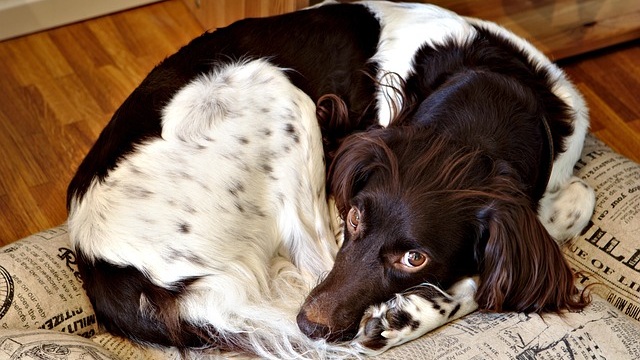
You settle in for the night and there it is – your dog, curled up with their rear end pointed squarely at your face. Why do dogs sleep with their bum facing you? It’s not personal and it’s not an accident. The way dogs position themselves around you while sleeping can say a lot about trust and bonding.
Why Do Dogs Sleep With Their Bum Facing You? – The Short Answer
Dogs sleep with their bum facing you mainly out of trust and instinct. It keeps their vulnerable front (face, throat, belly) angled away from a perceived threat while staying physically close to someone they feel safe with. It’s also simply comfortable, letting them stretch out fully against you. This closeness-seeking is normal, and only becomes worth watching if it changes suddenly or comes with other shifts in behavior. But having a dog that prefers to sleep without any human contact doesn’t mean they have a weaker bond with you!
Key Takeaways
- Dogs sleep with their bum facing you mostly as a sign of trust
- Sleeping at your feet, the foot of the bed, or on top of you reflect different instincts
- Dogs are social sleepers, and proximity to their owner can affect how well they rest
- A sudden change in where a dog sleeps relative to you is more meaningful than the position itself
- Monitoring long-term rest patterns helps tell affection-driven habits from early signs of a problem
Why Do Dogs Sleep With Their Bum Facing You?
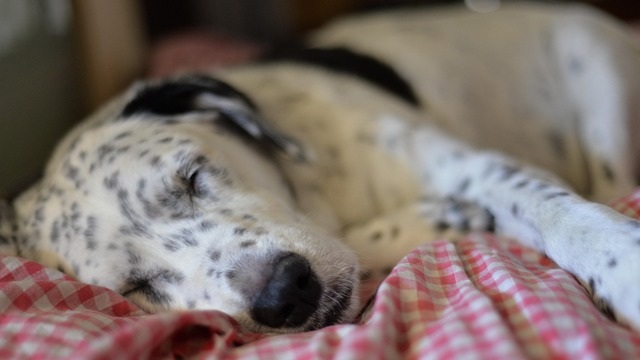
This position is less about turning away from you and more about trust. In the wild, an animal’s face, throat and belly are its most vulnerable points, so angling those away while keeping physical contact suggests your dog feels safe enough to expose their blind spot. It’s also practical – many dogs find it comfortable to press their back against a person for warmth.
Some of this traces back to pack behavior. Dogs evolved sleeping in groups, and body contact during rest reinforced social bonds. Sleeping this close to you is your dog including you in that circle of trust.
Why Do Dogs Sleep at Your Feet? (Or By Your Feet?)
Dogs choosing your feet over pressed-against-you contact are striking a balance between closeness and independence. It keeps them near enough to sense your presence, while free to reposition without disturbing you. This spot is also common in watchful dogs, since it puts them near an exit point.
Sleeping by your feet doesn’t require the same close contact as cuddling directly against you, but it still reflects attachment – your dog wants proximity, just on their own terms.
“I got the Maven sensor for my 14-year-old Chihuahua mix with heart and trachea issues. It gave me back peace of mind – I can track her RRR, BPM, drinking, and activity anytime and know instantly if something’s wrong. Highly recommend!”

★★★★★
Chiara De Luca
Titti
Why Do Dogs Sleep at the Foot of the Bed?
The foot of the bed offers a similar compromise and for many dogs it’s simply the coolest, most open spot with the least disruption from your movement during the night. It’s a common choice for dogs who like company but aren’t deeply cuddly.
A dog’s actual sleep quality can depend on this kind of proximity. Research using non-invasive polysomnography found that dogs sleeping in the same room as their owner, even without direct contact, fell asleep faster and spent more time in deep, restorative sleep than when their owner was absent.
Why Does My Dog Sleep on Top of Me?
This is about as close as it gets, and it usually reflects strong attachment plus simple physical comfort – your body offers warmth and a soft, moving surface. Dogs that sleep directly on their owners are often highly bonded, sometimes to the point of mild separation-related anxiety, though for most it’s just an affectionate habit. Maven’s dog sleep tracker can help you see whether a clingy sleep habit lines up with broader changes in rest, or is simply how your dog has always slept.
What Do Different Dog Sleeping Positions Mean?
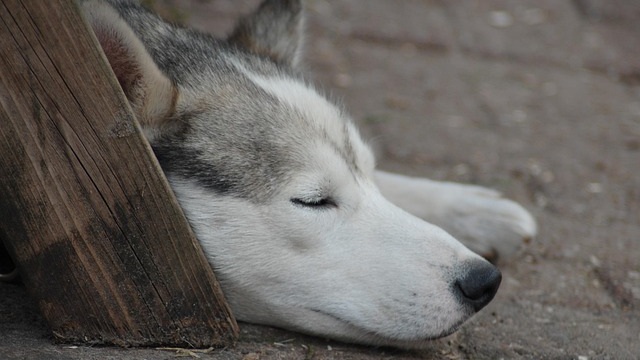
Whether your dog sleeps back-to-back, at your feet, or draped across your legs, these choices layer on top of the more universal postures – like curling up or stretching out – that every dog uses regardless of who they’re sleeping near. Proximity-seeking behaviors are generally rooted in comfort and bonding rather than one fixed meaning. What matters far less than position is whether it’s consistent with what’s normal for your dog.
When Should Changes in Sleeping Habits Be a Concern?
A dog that suddenly needs to sleep touching you, when they never used to, or one that abruptly stops seeking you out at night, is showing a change worth noting, especially alongside reduced activity, appetite changes or restlessness. Changes in sleep patterns can be early indicators of pain, anxiety or illness, even before other symptoms become obvious.
“Many sleeping positions are simply expressions of comfort, security and social bonding. What’s often more important than the position itself is noticing when a dog’s usual sleeping habits suddenly change, as this can sometimes indicate discomfort or an underlying health issue.” – Joana Babo, DVM, Veterinarian at Maven Pet
How Maven Helps
The Maven pet health tracker helps owners understand whether their dog’s sleeping behavior reflects a normal routine or a meaningful change. Its dog sleep tracker allows continuous rest monitoring, and its dog activity tracker helps determine whether a change in sleeping location comes with reduced movement or lethargy.
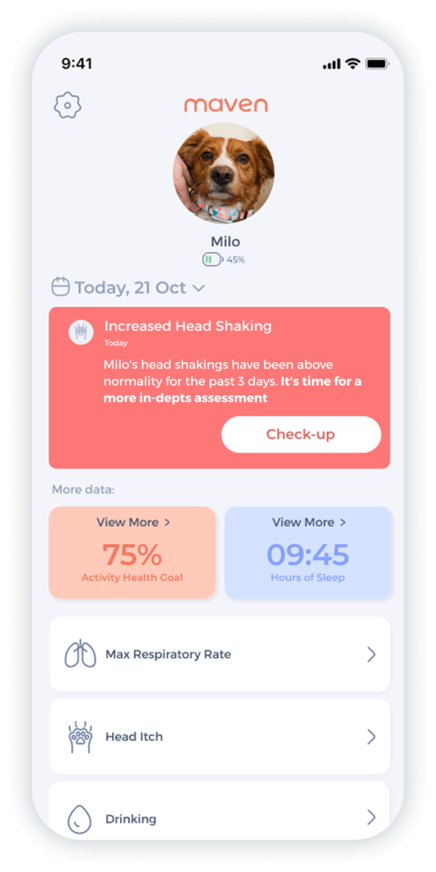
Monitor heart rate, respiratory rate, activity & rest, drinking, itch behavior.
The Maven pet health app combined with a dog health tracker also tracks:
- Heart rate and resting respiratory rate patterns, which may shift before clinical signs appear
- Head shaking and drinking behaviors that can point to discomfort affecting sleep
- A personalized baseline for each dog, with alerts when changes occur
While sleeping positions themselves are usually normal, this monitoring helps owners recognize when a broader change may be worth a closer look, or a vet visit.
FAQ
Mostly trust. It keeps their vulnerable front angled away from a perceived threat while staying close to someone they feel safe with.
It balances closeness with independence, letting a dog stay near you while keeping freedom to move and stay alert.
Often for comfort and space, plus proximity. Dogs benefit from simply sleeping in the same room as their owner.
Usually strong attachment and physical comfort, though very clingy habits can sometimes reflect mild separation-related anxiety.
A single different night isn’t a concern, but a lasting change, especially alongside other symptoms, is worth mentioning to your vet.
Conclusion
However your dog chooses to sleep around you – bum-first, at your feet, or draped across your lap – it’s almost always a sign of trust and attachment rather than anything to puzzle over. No worry if your dog prefers to sleep without human contact – they love you as much too!
What’s worth watching isn’t the position itself, but whether your dog’s usual habits hold steady over time. Keeping an eye on rest and activity is one more way to stay close to your dog’s wellbeing, in every sense.
Maven Pet focuses on improving the quality of life of our pets with technology, using artificial intelligence (AI) to enable proactive pet care. By accurately collecting and monitoring pet data 24/7 and flagging any irregularities, Maven Pet empowers pet parents and veterinarians to stay ahead of potential health issues, ensuring the well-being and longevity of our beloved companions.