Why Do Dogs Twitch in Their Sleep?

If you’ve watched your dog’s paws paddle, ears flick, or body shudder mid-nap, you’ve probably wondered whether they’re dreaming or something’s wrong. It’s one of the most common questions dog owners ask, and the answer is reassuring more often than not. “Why do dogs twitch in their sleep”? Here’s what’s actually happening in your dog’s brain during sleep, how to tell normal twitching apart from something that needs a vet’s attention, and how a pet health tracker can help you keep an eye on the bigger picture.
Why Do Dogs Twitch in Their Sleep? – The Short Answer
Most dogs twitch in their sleep because they’re dreaming during REM (rapid eye movement) sleep, when the brain is active but the muscles are only partially relaxed. This normal activity can look like paddling paws, muffled barks, or light tremors, and it typically lasts seconds to a couple of minutes before stopping on its own. Twitching that is rigid, prolonged, or doesn’t stop when you gently wake your dog may point to a seizure instead.
Key Takeaways
- Sleep twitching is usually harmless and linked to REM sleep and dreaming
- Small dogs, puppies, and senior dogs tend to twitch more often than middle-aged, large-breed dogs
- Normal twitching is loose, brief, and easily interrupted; seizures are rigid, prolonged, and hard to interrupt
- A sudden change in a dog’s usual sleep pattern is often more meaningful than one twitching episode
- Persistent or unusual sleep movements deserve a veterinary evaluation
Why Do Dogs Twitch in Their Sleep?
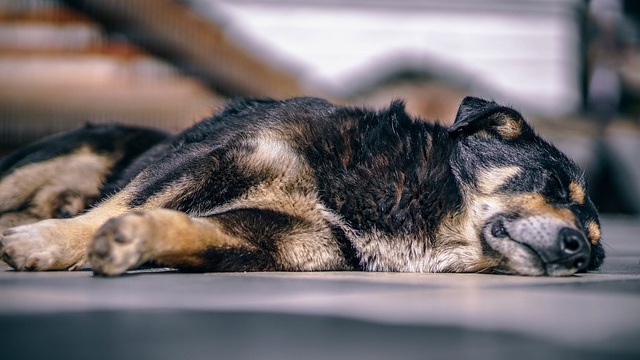
Dogs cycle through sleep stages much like people, including slow wave sleep and REM sleep. During REM, the brain becomes highly active while the body stays mostly still. A part of the brainstem called the pons temporarily blocks most voluntary muscle movement during this stage, normally keeping a sleeping dog from acting out its dreams (VCA Animal Hospitals).
Twitching happens when some of that dream-related activity slips past the pons’ muscle block. A dreaming dog’s breathing can turn shallow and irregular, muscles may twitch, and eyes may dart beneath closed lids as if watching something. Owners often call this “chasing rabbits,” and for most healthy dogs, that’s exactly what’s going on: harmless dream activity, not a medical problem.
Why Do Dogs Spasm or Shake in Their Sleep?
Dreaming is the most common cause of movement during sleep, but not the only one. Other everyday causes include:
- Being startled by a passing car or sudden noise, partially rousing the dog before it settles again
- Growth-related twitching in puppies as their nervous systems develop
- Feeling cold, which can cause shivering that looks like twitching, especially in small or short-haired breeds
- Muscle fatigue, particularly after an active day
Twitching alongside limping or sensitivity to touch is worth mentioning to your vet, since underlying pain can sometimes surface during rest. If your dog’s nights seem restless more often than not, a dog sleep tracker can help you see whether that’s a one-off or a real pattern.
“I got the Maven sensor for my 14-year-old Chihuahua mix with heart and trachea issues. It gave me back peace of mind – I can track her RRR, BPM, drinking, and activity anytime and know instantly if something’s wrong. Highly recommend!”
★★★★★
Chiara De Luca
Titti
Are Dogs Dreaming When They Twitch?
Most veterinary experts believe so. Dogs show the same two basic brain wave patterns as people during sleep: a slow, steady pattern during quiet rest, and a fast, irregular pattern during REM, when the eyes dart rapidly beneath the eyelids (VCA Animal Hospitals). Because the sleeping canine brain looks so similar to a dreaming human brain, researchers generally agree it’s reasonable to assume dogs dream too.
Dream patterns also seem to vary by size: small breeds tend to dream more often but for shorter stretches, while large dogs dream less frequently but for longer periods (VCA Animal Hospitals). Puppies and senior dogs also tend to twitch more overall.
How Can You Tell the Difference Between Sleep Twitching and a Seizure?
A few distinguishing features can help:
- Normal sleep twitching is loose and irregular — isolated paddling, small jerks, or soft sounds — and typically stops within seconds if you call your dog’s name or touch them gently.
- A seizure usually involves rigid, stiff limbs or rhythmic jerking that continues even when you try to wake the dog, sometimes with drooling, chomping, or loss of bladder control, followed by a period of confusion or wobbliness once the dog wakes up.
Cornell University’s College of Veterinary Medicine notes that capturing video of an episode is one of the most useful things an owner can do, since it helps a veterinarian confirm whether an event was truly a seizure or something else, such as a fainting or balance-related episode (Cornell Riney Canine Health Center).
It’s also worth knowing about REM sleep behavior disorder, a separate condition that can cause dogs to act out dreams with far more force than typical twitching — sometimes forcefully enough to run into furniture — and can closely resemble a seizure (VCA Animal Hospitals). If movements are ever violent enough to risk injury, that’s reason enough to call your vet.
When Should You Be Concerned About Sleep Twitching?
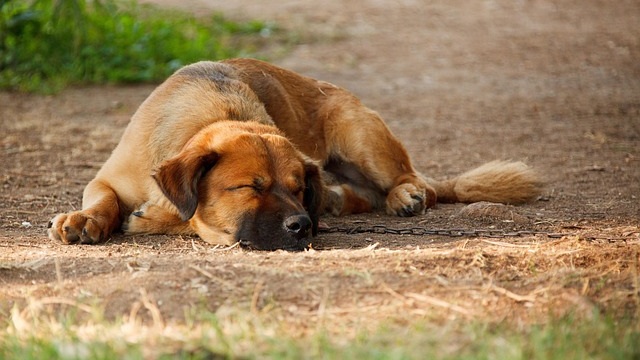
Contact your veterinarian if you notice:
- Stiff or rhythmically jerking movements that don’t stop when your dog is gently woken
- Drooling, chomping, or loss of bladder/bowel control during the episode
- Confusion or unusual behavior after your dog wakes up
- A sudden increase in how often or intensely the twitching happens
- Twitching alongside other new symptoms, like changes in appetite, energy, or water intake
Breathing changes are also worth watching for. A dog respiratory rate tracker can flag an elevated resting respiratory rate before it becomes an obvious symptom, which is especially useful if your dog also has a heart or lung condition.
As Dr. Carolina Domingues, DVM, Veterinarian at Maven Pet, explains: “Most sleep twitching is a completely normal part of REM sleep and dreaming. What deserves more attention is a sudden change in a dog’s normal sleep behavior or movements, especially if it’s accompanied by other changes in health or activity.”
Should You Wake a Dog That Is Twitching?
Generally, no. Waking a dreaming dog can startle them, and a disoriented dog may occasionally snap reflexively before realizing what’s happening. It’s usually best to let normal dream-twitching run its course, since it resolves on its own within a minute or two.
The exception is a true seizure. In that case, don’t restrain your dog or put your hands near their mouth. Clear the area of anything they could hit, time the episode, and stay nearby until it passes, then contact your veterinarian (Cornell Riney Canine Health Center).
How Maven Helps
A single twitching episode is hard to evaluate on its own, but changes in a dog’s broader rest and health patterns often tell a fuller story. The Maven dog health tracker helps owners stay ahead of that by:
- Tracking rest continuously to establish each dog’s normal sleep pattern
- Monitoring activity levels, heart rate, and resting respiratory rate for signs of illness
- Monitoring water intake in dogs for added context around sleep changes
- Building a personalized baseline and sending alerts when meaningful deviations occur
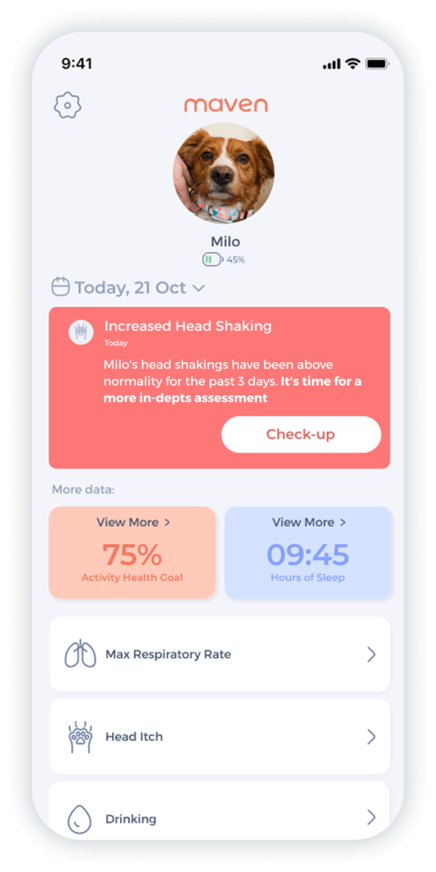
Monitor heart rate, respiratory rate, activity & rest, drinking, itch behavior.
Maven can’t diagnose seizures or analyze a specific episode, but the pet health app can help you see whether a change in sleep behavior is an isolated blip or part of a larger pattern worth raising with your vet — the kind of long-term context a pet health tracker is built for.
FAQ
Most dogs twitch during REM sleep because the brain is dreaming while muscles stay only partially blocked from moving. It’s a normal, healthy part of the sleep cycle.
Shaking during sleep is usually the same dream-related muscle activity as twitching, though it can occasionally reflect feeling cold or, less commonly, an underlying issue if it’s persistent.
Most experts believe so. Dogs show REM brain activity similar to humans, and twitching or soft vocalizing during this stage is consistent with dreaming.
Dreaming movements are loose, brief, and stop if you call your dog’s name or touch them. Seizures are rigid and prolonged, continuing even when interrupted, often followed by confusion afterward.
Generally, no — let normal dream-twitching pass on its own. If it looks like a seizure, don’t restrain your dog; clear the area and contact your veterinarian.
Conclusion
Twitching, paddling, and the occasional muffled bark during sleep are, in the vast majority of cases, simply your dog dreaming. Watch for the pattern rather than the moment: brief, loose, easily interrupted movements are normal, while rigid, prolonged episodes or a sudden shift in your dog’s usual sleep habits are worth a call to your vet. Knowing your own dog’s normal rest patterns — and tracking changes over time — is one of the best ways to catch a real problem early while still letting your dog enjoy a good dream.
Maven Pet focuses on improving the quality of life of our pets with technology, using artificial intelligence (AI) to enable proactive pet care. By accurately collecting and monitoring pet data 24/7 and flagging any irregularities, Maven Pet empowers pet parents and veterinarians to stay ahead of potential health issues, ensuring the well-being and longevity of our beloved companions.