How To Tell If Your Dog Is In Pain: 7 Subtle Behaviors to Watch (Vet Verified)

You can’t quite put your finger on it, but your dog just seems… different lately. That instinct is worth trusting – dogs are experts at hiding discomfort, and knowing how to tell if your dog is in pain often means noticing subtler clues than a yelp.
How To Tell If Your Dog Is In Pain? – The Short Answer
How to tell if your dog is in pain often comes down to noticing small shifts rather than dramatic ones – a bit more sleep, less interest in play, eating a little slower than usual. Dogs rarely limp or cry unless pain is severe, so the earliest signs a dog is in pain are usually changes in everyday behavior that only someone who knows the dog well would catch.
Key Takeaways
- A great number of dogs instinctively hide pain, so obvious signs like limping or crying often appear last, not first
- Learning how to tell if your dog is in pain means watching subtle shifts, not dramatic symptoms
- Common causes range from osteoarthritis and injuries to dental, spinal and internal conditions
- A single odd day isn’t cause for alarm, but a pattern lasting more than a few days is
- Tracking activity, rest and other metrics over time makes subtle changes easier to catch
Why Dogs Often Hide Pain
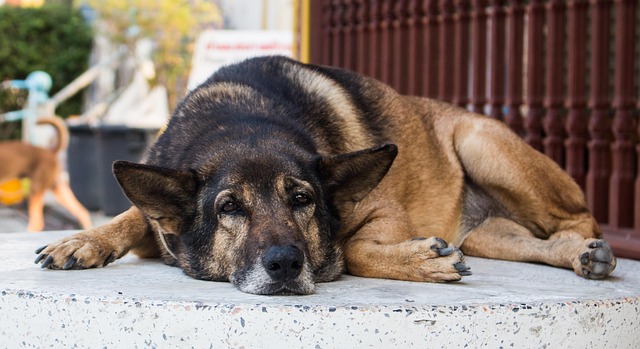
Masking discomfort is a survival instinct. In the wild, a visibly struggling animal is vulnerable, so dogs and cats tend to hide pain as a protective mechanism rather than announce it. This holds even at the vet’s office. A dog might wag its tail and greet an observer despite being in significant pain, which is exactly why obvious distress misses so many signs a dog is in pain early on.
That’s also why owners are often first to notice something is wrong. You know your dog’s normal energy and habits better than anyone in a fifteen-minute exam room, which makes you genuinely well positioned to catch pain before it becomes unmistakable.
How To Tell If Dog Is In Pain: 7 Subtle Behaviors to Watch
These are the kinds of pain symptoms that are easy to write off as “just getting older” or “having an off day,” but are worth watching if they persist:
- Increased neediness: suddenly seeking more attention or reassurance can reflect comfort-seeking tied to discomfort.
- Social withdrawal: the opposite can also signal pain – hiding, avoiding touch or losing interest in people and other pets.
- Changes in sleep: sleeping more, resting in unusual positions or restlessness at night can reflect discomfort rather than simple tiredness.
- Slower or pickier eating: even with normal appetite, eating more slowly or with difficulty can be a subtle sign something hurts, especially around the mouth.
- Excessive licking or chewing: repetitive licking of one body area often points to localized pain or irritation.
- Panting at rest: panting with no heat or exercise involved can be an easily overlooked pain response.
- Bathroom changes: straining, accidents, or shifts in urination or defecation frequency can point to pain unrelated to joints or muscles.
No single point proves pain on its own, but two or three together, or any lasting more than a couple of days, is worth a closer look.
“I got the Maven sensor for my 14-year-old Chihuahua mix with heart and trachea issues. It gave me back peace of mind – I can track her RRR, BPM, drinking, and activity anytime and know instantly if something’s wrong. Highly recommend!”

★★★★★
Chiara De Luca
Titti
What Causes Pain in Dogs?
Pain can be short-lived (acute) or long-lasting (chronic), and the cause often shapes how it shows up. Common sources of chronic pain include osteoarthritis, neuropathic pain, cruciate ligament injuries, patella luxation and pancreatitis, while dental disease, spinal problems, and cancer are also frequent culprits owners don’t always link to behavior changes. Dog arthritis in particular develops gradually, which is why the signs above often show up well before a dog looks visibly stiff.
When Should You Call Your Veterinarian?

A single unusual day rarely means much. What matters more is a pattern. The same behavior repeating, getting worse, or combining with other signs, can be indicative that something is off. Before visiting the vet, jot down or film what you’re noticing, since dogs often hide symptoms out of anxiety in a clinic setting, and those home observations fill in gaps your vet won’t otherwise see.
How Pain Is Diagnosed and Managed
Vets combine a physical exam with observation of posture, gait and behavior, since assessment extends well beyond hands-on palpation. Bloodwork or imaging may follow if an underlying condition is suspected. Treatment is rarely one-size-fits-all – current guidelines favor a multimodal approach combining medication, weight management, exercise adjustments, and other supportive therapies tailored to the cause and severity.
How Maven Helps
The Maven pet health tracker helps owners catch subtle changes before they become obvious. Its dog activity tracker flags reduced movement or changes in normal patterns, while rest monitoring picks up increased sleep or restless nights tied to discomfort.

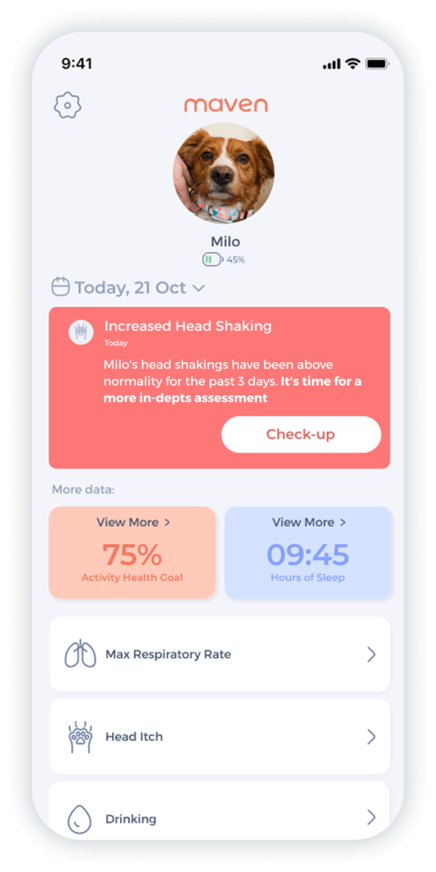
Monitor heart rate, respiratory rate, activity & rest, drinking, itch behavior.
The Maven pet health app combined with a dog health tracker also tracks:
- Heart rate trends via its dog heart rate tracker, which may rise during pain or stress
- Resting respiratory rate, flagging deviations from normal respiratory rate in dogs, also common during pain or stress
- Scratching behavior, which can point to skin-related discomfort
- Water intake, offering context when pain affects appetite or hydration
Rather than relying on one symptom, Maven builds a personalized baseline and sends alerts when meaningful trends emerge, supporting earlier conversations with your vet.
“Many dogs don’t cry or limp when they’re in pain. They simply become quieter, sleep more or move differently. Recognizing subtle changes in your dog’s normal behavior is an important and effective way to identify pain early.” – Joana Babo, DVM, Veterinarian at Maven Pet
FAQ
Learning how to tell if your dog is in pain starts with watching for subtle shifts in sleep, appetite, sociability or activity.
Reduced or increased neediness, withdrawal, changed sleep patterns, slower eating, excessive licking, panting at rest and bathroom changes.
Yes. Masking discomfort is instinctive, which is why obvious signs often appear only once pain has become more severe.
When a behavior change persists for more than a couple of days or appears alongside other symptoms.
Yes. Behavioral changes are often the earliest and most reliable indicators, appearing well before physical signs.
Conclusion
Learning how to tell early if your dog is in pain means paying less attention to dramatic symptoms and more to the small, everyday shifts only you would notice. Trust that instinct when something feels different, give it a few days to confirm the changes remain, rely on data sources like Maven to support your suspicions, and loop in your vet when it is.
Maven Pet focuses on improving the quality of life of our pets with technology, using artificial intelligence (AI) to enable proactive pet care. By accurately collecting and monitoring pet data 24/7 and flagging any irregularities, Maven Pet empowers pet parents and veterinarians to stay ahead of potential health issues, ensuring the well-being and longevity of our beloved companions.