GDV in Dogs: Prevention, Risk Factors & Survival (Vet Verified)
If your dog is a large or deep-chested breed, you’ve likely heard how serious GDV can be. Understanding why it happens, which dogs face the highest risk, and what can be done to prevent it makes all the difference. Here’s what’s behind GDV in dogs.
GDV in Dogs – The Short Answer
GDV or gastric dilatation-volvulus, occurs when a gas or fluid-filled stomach twists on itself, cutting off blood flow and rapidly leading to shock. It’s most common in large, deep-chested breeds and is far more dangerous than simple bloat because of the rotation involved. Prevention centers on feeding practices and prophylactic gastropexy, and survival depends on how quickly treatment begins.
Key Takeaways
- GDV occurs when a distended stomach rotates on its axis, cutting off blood supply
- It’s more dangerous than simple bloat because the twist causes the emergency
- Large, deep-chested breeds, older dogs, and those with a family history face highest risk
- Gastropexy reduces recurrence from as high as 80% to roughly 3-5%
- Survival with prompt surgical treatment can exceed 85%
What Is GDV in Dogs?
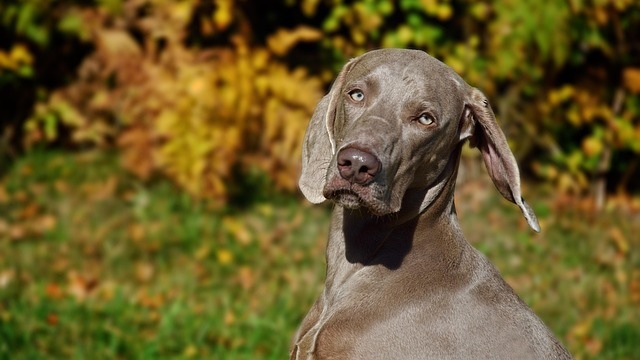
GDV is a two-part process: the stomach distends with trapped gas and fluid, then rotates on its own axis, twisting shut both entrance and exit. Once this happens, gas can’t escape, the twisted tissue loses its blood supply, and the dog can progress into shock quickly.
The exact trigger isn’t fully understood, but dilatation typically precedes rotation, usually clockwise when viewed from behind a standing dog. Large, deep-chested breeds are disproportionately affected, pointing to anatomy as a major factor alongside feeding and lifestyle.
How Is GDV Different From Simple Bloat?
Simple bloat and GDV look nearly identical from outside, but what happens internally differs. In simple bloat, the stomach fills but stays in place, so gas can often still be relieved with a stomach tube. In GDV, the twisted stomach traps its contents completely, and a tube typically can’t pass.
This matters for the outcome. Once rotation occurs, the twisted stomach compresses the caudal vena cava and portal vein, cutting off venous return and triggering shock, which can progress to tissue death, clotting disorders and organ failure. None of which occur with simple bloat. That’s why GDV always requires surgery, while simple bloat often resolves with fluids alone.
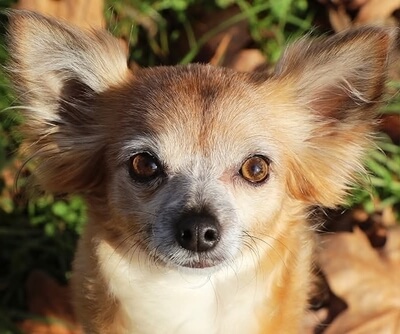
“I got the Maven sensor for my 14-year-old Chihuahua mix with heart and trachea issues. It gave me back peace of mind – I can track her RRR, BPM, drinking, and activity anytime and know instantly if something’s wrong. Highly recommend!”
★★★★★
Chiara De Luca
Titti
What Causes Bloat and Gastric Torsion?
No single answer fully explains what causes bloating, and gastric torsion specifically remains just as multifactorial. Established factors include rapid eating, a single large daily meal instead of smaller feedings, exercise soon after eating, elevated food bowls, certain dry kibble diets, stress and increased gastric ligament laxity, all of which can give the distended stomach room to rotate.
Which Dogs Are Most at Risk?
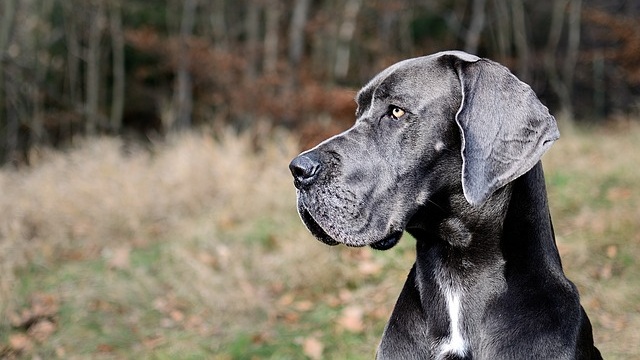
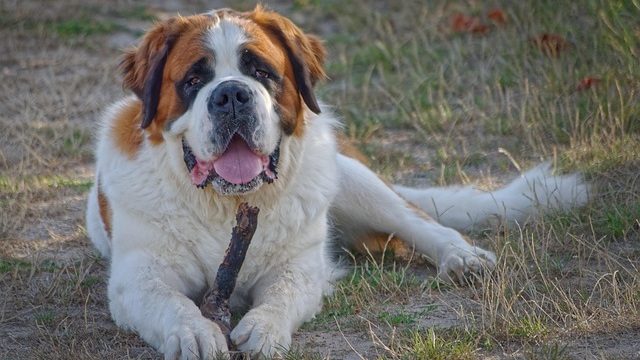
Certain dogs face meaningfully higher risk: large, deep-chested breeds – Great Danes, Weimaraners, Standard Poodles, Saint Bernards, Irish Setters – dogs with a first-degree relative that had GDV, intact males, nervous or fearful dogs, and previously splenectomized dogs. A large single-institution study found the 5-to-10-year age range accounted for over half of surgical cases, with intact males overrepresented and German Shepherds the most common breed treated, which is a reminder that risk can vary by population.
How to Prevent Bloat and GDV in Dogs
The single most effective way to prevent GDV specifically is gastropexy, which is a surgery that permanently secures the stomach to the abdominal wall so it can’t rotate. Without it, recurrence has been reported as high as 80%; with it, recurrence drops to roughly 3-5%. Many surgeons recommend it prophylactically for high-risk breeds, often at spay or neuter.
For owners wondering how to prevent bloating, everyday habits help: smaller, more frequent meals, avoiding vigorous exercise around mealtimes, skipping elevated food bowls, slow-feeder bowls for fast eaters, avoiding breeding dogs with an affected relative, and discussing prophylactic gastropexy for high-risk breeds.
None of these guarantee prevention, since GDV remains multifactorial, but they meaningfully reduce risk.
What Happens During Emergency Treatment?
Treatment begins the moment shock is suspected or GDV confirmed, with IV fluids, pain medication and often lidocaine for arrhythmias, which are common given the hypoxia GDV causes.
Once stabilized, decompression follows via a stomach tube, or a large needle through the abdominal wall if the twist doesn’t allow the tube decompression. Surgery then corrects the rotation, removes any dead tissue and performs the gastropexy.
Prognosis depends heavily on speed. A recent 130-case surgical series reported an 86.4% survival rate among dogs that reached surgery, while broader estimates put overall mortality between 15% and 30%, worse with prolonged shock, splenectomy or arrhythmias at diagnosis.
How Maven Helps
The Maven pet health tracker provides continuous monitoring that can help owners recognize changes requiring urgent evaluation, like tracking activity to identify sudden restlessness or inactivity, and monitoring rest for unusual overnight changes. It also helps monitor the dog’s recovery after medical intervention.
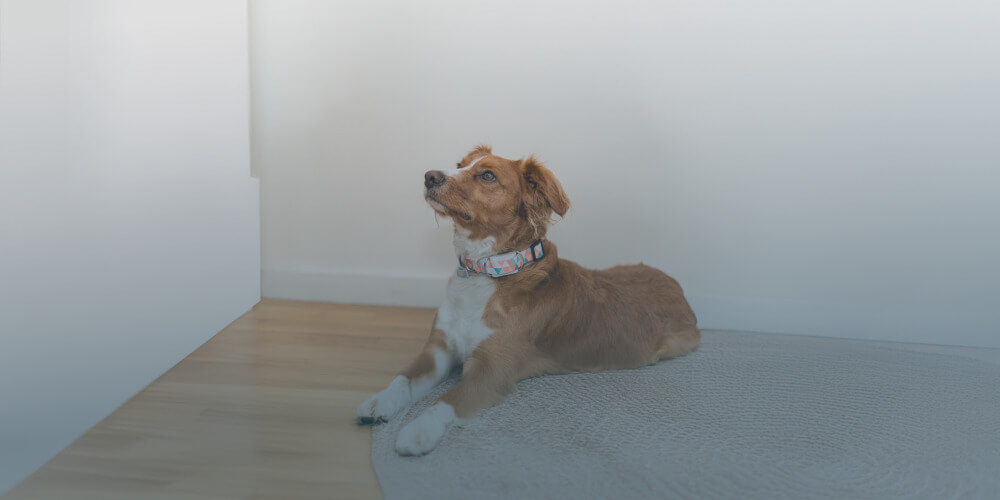
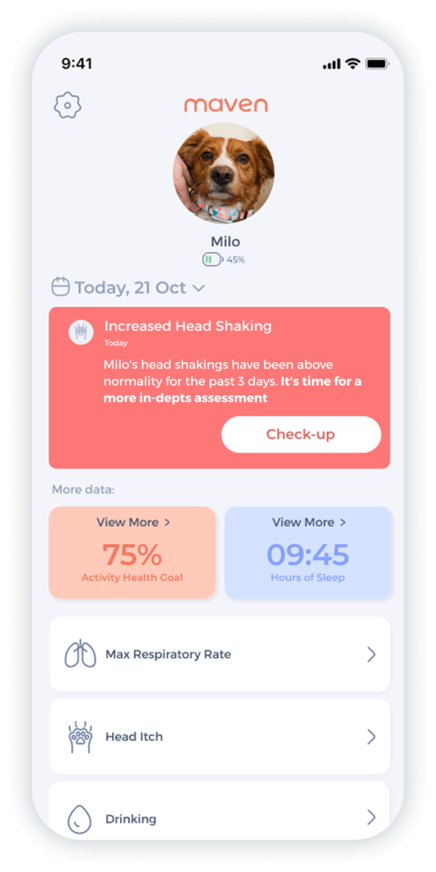
Monitor heart rate, respiratory rate, activity & rest, drinking, itch behavior.
The Maven pet health app combined with the dog health tracker also measures heart rate trends and possible signs of distress, relevant during acute illness. It’s also useful for in dog heart disease. Maven tracks resting respiratory rate through its dog respiratory rate tracker, flagging patterns that deviate from normal respiratory rate in dogs. GDV usually causes a high level of discomfort and pain, which makes the resting respiratory rate increase. Maven builds a personalized baseline for every metric and alerts owners when deviations occur.
Maven does not diagnose GDV, but detecting deviations from a dog’s normal baseline may support earlier veterinary evaluation during rapidly developing illness.
“GDV is one of the true emergencies in veterinary medicine. While no long-term monitor can prevent it, recognizing sudden and unusual changes in your dog’s normal patterns may encourage owners to seek immediate veterinary care.” – Joana Babo, DVM, Veterinarian at Maven Pet
FAQ
GDV is gastric dilatation-volvulus, a distended stomach that has rotated on its axis, requiring emergency surgery.
No single cause is confirmed, but rapid eating, large meals, post-meal exercise and deep-chested anatomy all contribute.
Smaller, frequent meals, avoiding exercise around mealtimes and prophylactic gastropexy for high-risk breeds are most effective.
Great Danes, Weimaraners, Standard Poodles, Saint Bernards, Irish Setters and other deep-chested breeds face the highest risk.
Yes. With prompt surgery, survival rates can exceed 85%, though outcomes worsen the longer treatment is delayed.
Conclusion
GDV in dogs is unpredictable, but not entirely out of your control. Understanding what raises the risk gives you concrete ways to lower the odds, and gastropexy remains the most reliable way to prevent the twist itself. If you own a high-risk breed, talk to your vet about prevention sooner rather than later, and stay familiar with your dog’s normal patterns so you can act fast if something changes.
Maven Pet focuses on improving the quality of life of our pets with technology, using artificial intelligence (AI) to enable proactive pet care. By accurately collecting and monitoring pet data 24/7 and flagging any irregularities, Maven Pet empowers pet parents and veterinarians to stay ahead of potential health issues, ensuring the well-being and longevity of our beloved companions.